

Summary of the student debate on energy sobriety
- April 30, 2024
- Posted by: Souad Tab
- Category: Conferences
Lors du Time World 2024, cinq étudiant·e·s des cycles supérieurs ont engagé un débat animé sur la sobriété énergétique. Les panélistes ont bénéficié de deux ateliers de préparation au débat par le RQEI. Leurs échanges, empreints de respect et de passion pour leurs domaines respectifs, ont mis en lumière l’urgence d’agir face à la crise climatique. Ils ont souligné l’importance de respecter la liberté individuelle tout en évitant d’accroître les inégalités sociales par le biais de réglementations sur la sobriété énergétique.
Plusieurs actions concrètes ont été proposées pour relever ces défis de manière efficace et équitable, impliquant tous les acteurs à long, moyen et court terme :
-
- Critical education of young people so that they can better understand technoscientific issues.
- Raising awareness among citizens to adopt eco-responsible behaviour, accompanied by easier access to information for informed choices, in particular through product labelling, information on energy peaks and assistance with the annual assessment of their carbon footprint, such as the tax return.
- The offer of effective alternatives in areas such as public transport or state intervention to guarantee loan rates to individuals for the thermal renovation of buildings or to create incentives for the purchase of an electric vehicle.
- Inspiration from good regulatory and behavioural practices observed in other countries.
- Efficient management of the energy mix, including the use of renewable energies.
- The balance between incentives for energy sobriety and penalties for companies.
- The implementation of variable electricity tariffs.
- Reducing packaging and using recycled and recyclable packaging to foster a circular economy.
- Offering rewards to companies to encourage them to adopt more energy-efficient practices.
En conclusion, les participant·e·s ont souligné les opportunités favorables à une transition énergétique réussie au Québec, notamment grâce à l’hydroélectricité et à la diversité de ses nouveaux arrivants.
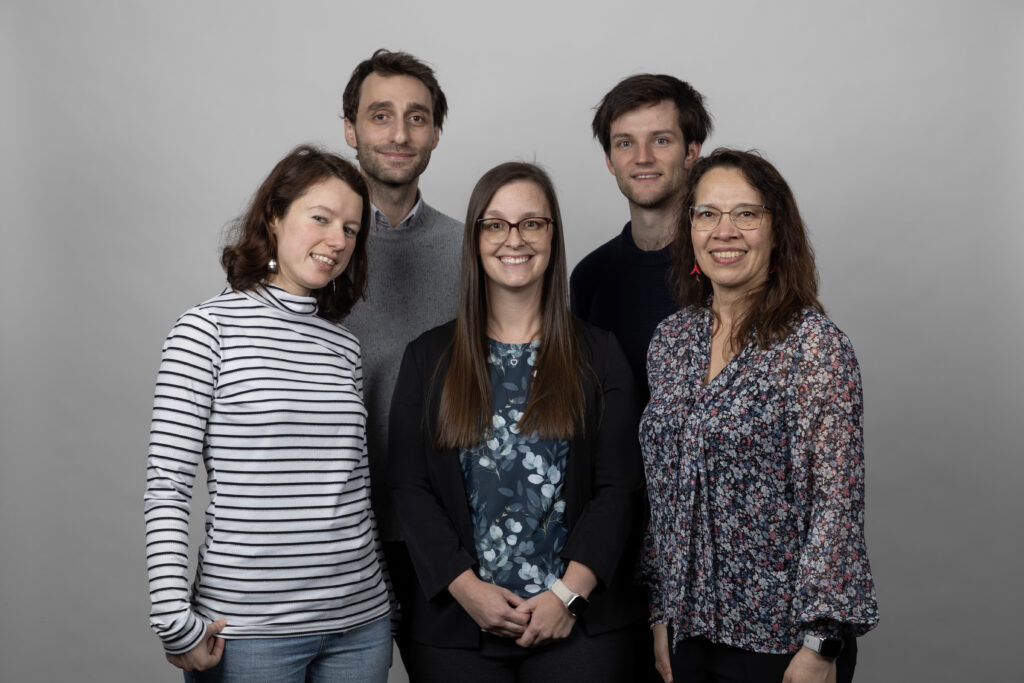
Violaine Gascuel (INRS), Charles Fort (UQTR), Jolyane Damphousse (UQTR), Théophile Richard (University of Paris), Maria Albornoz (UQTR)
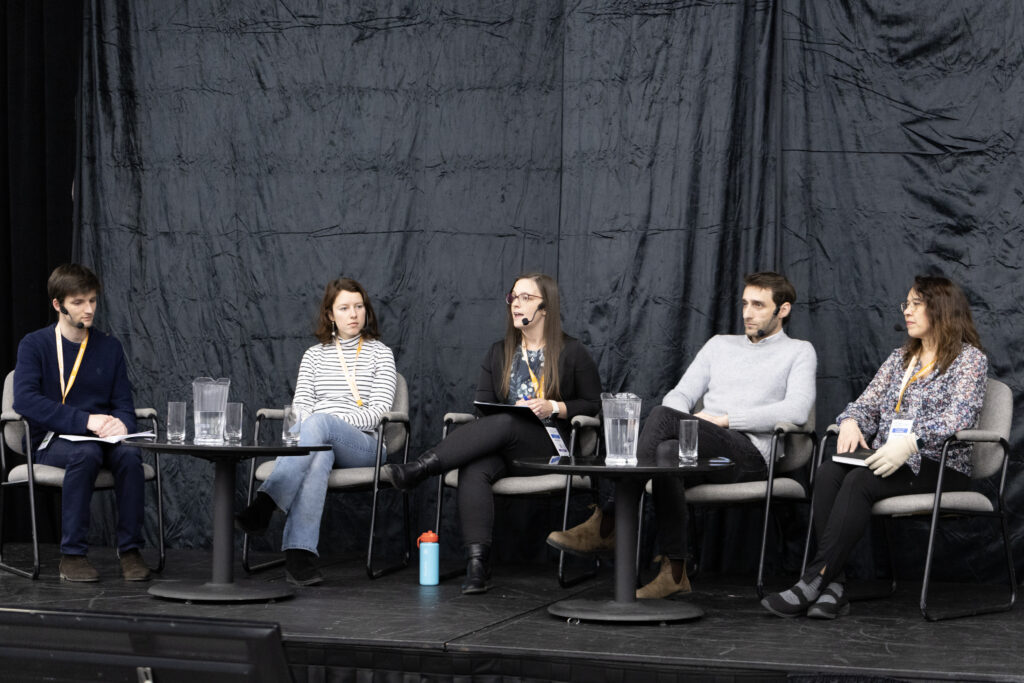
Debate on energy sobriety