
Simon Barnabé
- Biomass (agricultural, forestry, algal, supply, conditioning, fractionation)
- biofuels
- bioenergy
- circular bioeconomy
- Cohabitation approach
- strategy for valorizing co-products
- college-university synergy
- proximity to the municipal environment
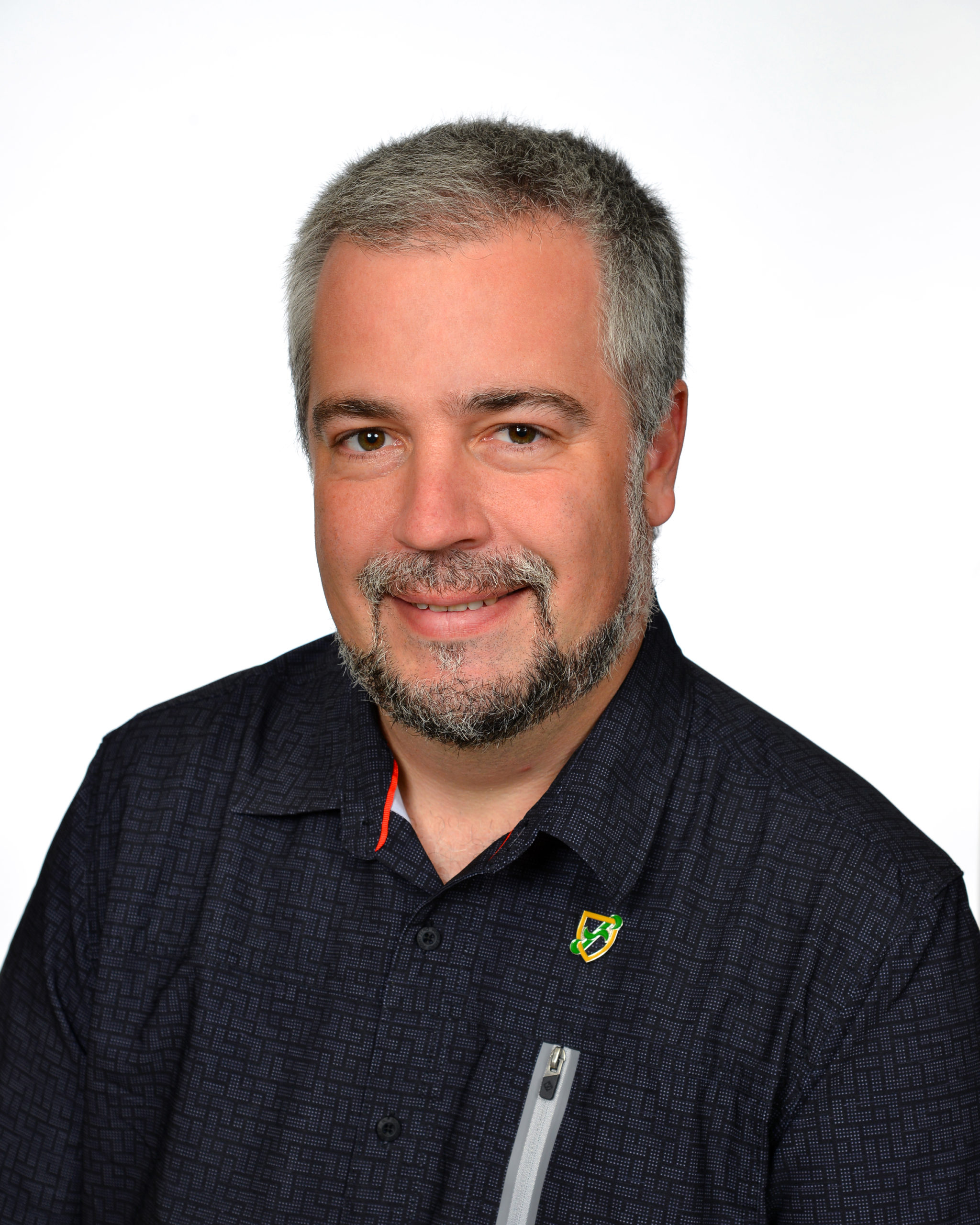
Simon Barnabé
UQTR
Simon Barnabé is a professor at the Université du Québec à Trois-Rivières (UQTR), a member...
Sousso Kelouwani
- Nonlinear modeling and control of mobile robots
- Energy optimization and intelligent navigation of automated guided vehicles
- Optimal control of fuel cells, batteries and generators
- Intelligent control of gasoline-hydrogen generators: reduction of pollutants and greenhouse gases, increased energy efficiency
- Identification and adaptive control of nonlinear and stochastic systems
Sousso Kelouwani
UQTR
Area of interest / Field of expertise Nonlinear modeling and control of mobile robots Energy...
Sasan Sattarpanah Karganroudi
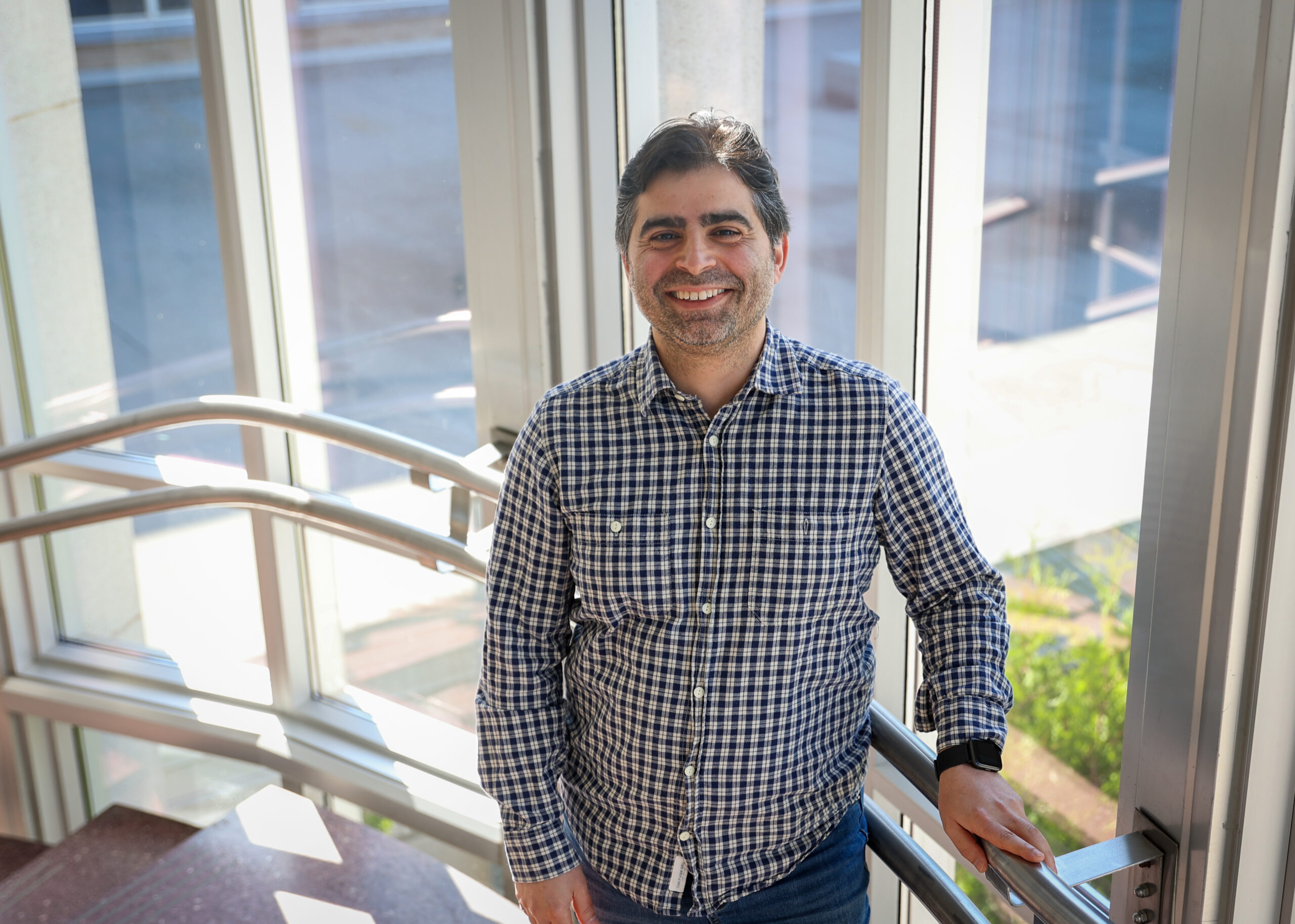
Sasan Sattarpanah Karganroudi is a research professor in the Department of Mechanical Engineering at the Université du Québec à Trois-Rivières and assigned to the Drummondville campus. A specialist in smart manufacturing, he conducts research based on strategies specific to Industry 4.0, including non-destructive evaluation and 3D metrology of mechanical components and structures. Also involved in R&D, he used experimental approaches to develop methods for engineering, precision and material processing and laser welding. Computer-aided design, manufacturing and inspection, optimization processes and artificial intelligence, finite element analysis, augmented reality and numerical simulation are frequently used in his work.
Sasan Sattarpanah Karganroudi
Sasan Sattarpanah Karganroudi is a research professor in the Department of Mechanical Engineering at the...
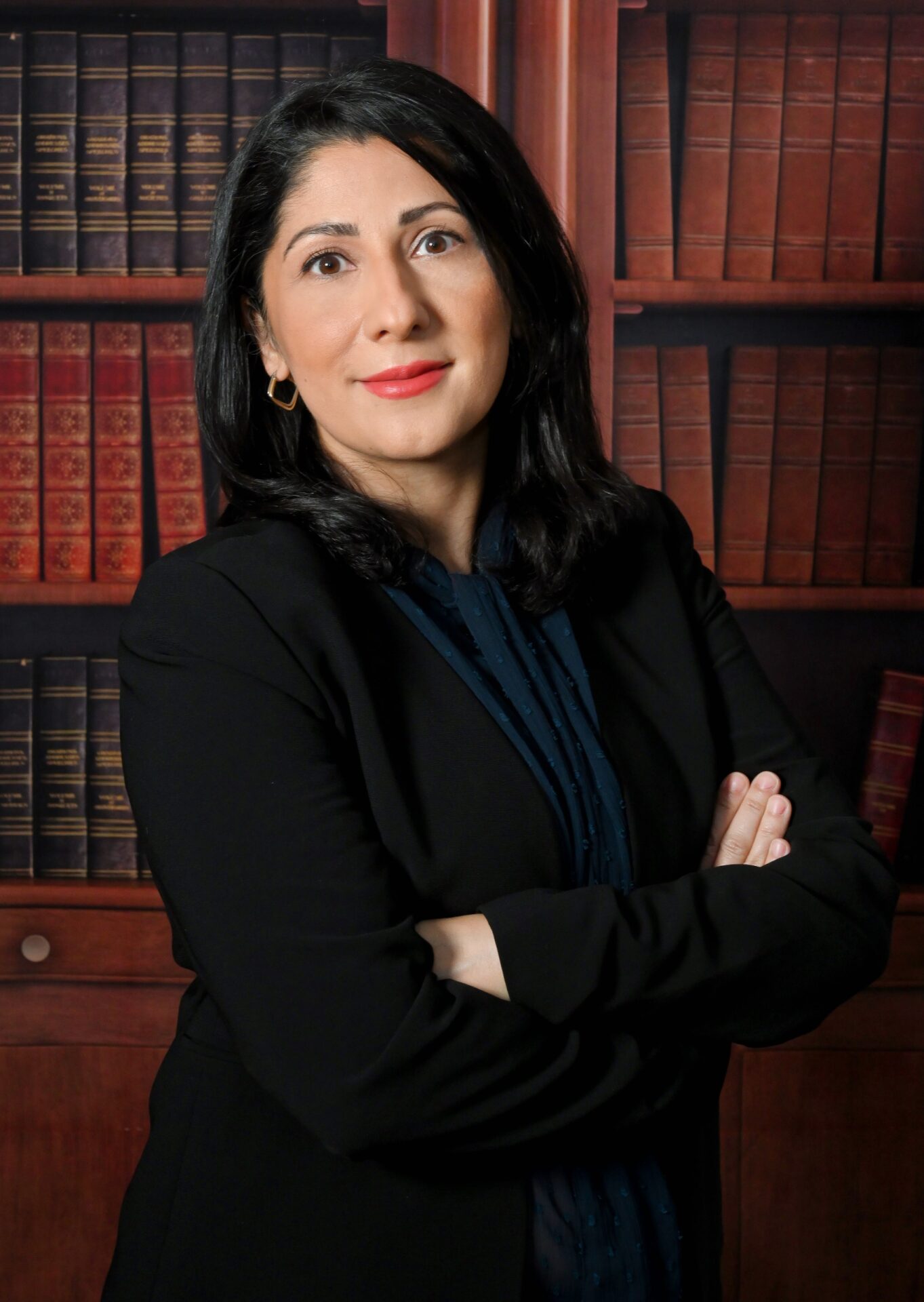
Samaneh Shahgaldi
Dr. Samaneh Shahgaldi is an Associate Professor at the University of Quebec and an Adjunct Associate Professor at the University of Waterloo. She holds the Canada Research Chair (CRC) at proton exchange membrane (PEM), fuel cells and electrolyzers. She is a member of The Institute of Innovations in Ecomaterials, Ecoproducts and Ecoenergy, based on biomass (I2E3) and Hydrogen Research Institute (HRI) of the Université du Québec à Trois-Rivières (UQTR). She is an award-winning researcher, Chair of the scientific committee, and a member of the editorial board of the International Journal of Green Energy. She was also a Senior Research Scientist at Cummins/ Hydrogenics, dealing with different Fuel Cell and Water electrolyzer projects. She is leveraging all her industrial experiences and academic knowledge to improve clean energy technologies.
Samaneh Shahgaldi
Dr. Samaneh Shahgaldi is an Associate Professor at the University of Quebec and an Adjunct...
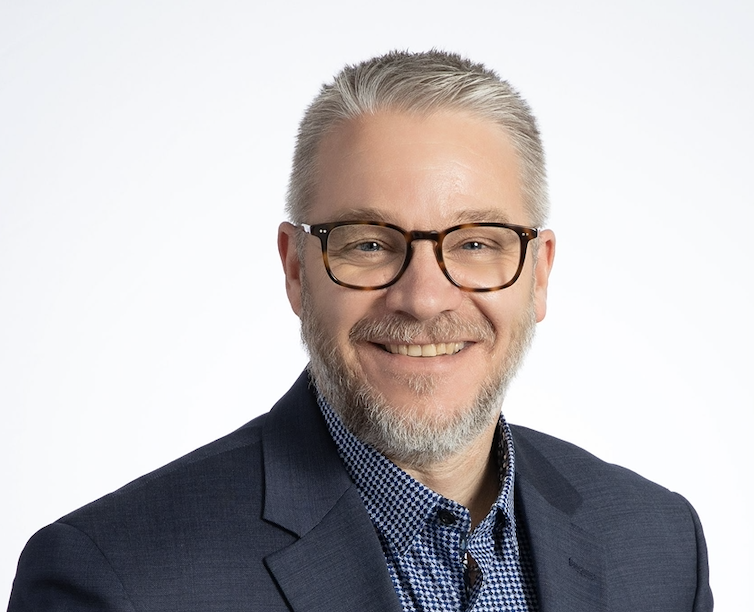
Sylvain Coulombe
Sylvain Coulombe is a physicist-engineer, full professor of chemical engineering, and Gerald Hatch Fellow at McGill University. He specializes in non-equilibrium plasma processes for applications in energy, materials, and medicine.
Conversion of electrical energy to chemical energy:
- New process for the synthesis of green ammonia by plasma-catalysis (N2+H2 ≤ > > NH3) for hydrogen storage and transport
- Dry reforming of methane (CO2+CH4) for the production of synthesis gas (CO+H2)
Dry synthesis of nanomaterials for catalysis:
- Heterogeneous structure of basic nanomaterial – nanostructured deposit
- Rapid synthesis and validation platform
- Life cycle assessment
Development of new plasma sources
- Nanosecond/pulsed power supply
- High-pressure plasmas (< > >1 atm) and process intensification
- Mini-jet for medical applications
Sylvain Coulombe
McGill
Sylvain Coulombe is a physicist-engineer, full professor of chemical engineering, and Gerald Hatch Fellow at...
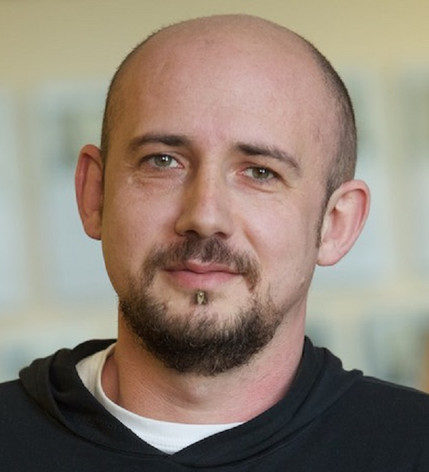
Sébastien Poncet
-Energy efficiency
-Refrigeration systems (ejectors, electro- and magnetocaloric refrigeration)
-Heat pumps
-Complex heat transfer fluids (nanofluids, phase-change materials, grouts)
-Renewable energies (tidal turbines, geothermal energy, biomass)
-Energy storage (compressed air, hybrid)
-Advanced numerical modeling
-High-performance computing
-Characterization of the properties of complex materials
Sébastien Poncet
Sherbrooke
-Energy efficiency -Refrigeration systems (ejectors, electro- and magnetocaloric refrigeration) -Heat pumps -Complex heat transfer fluids...
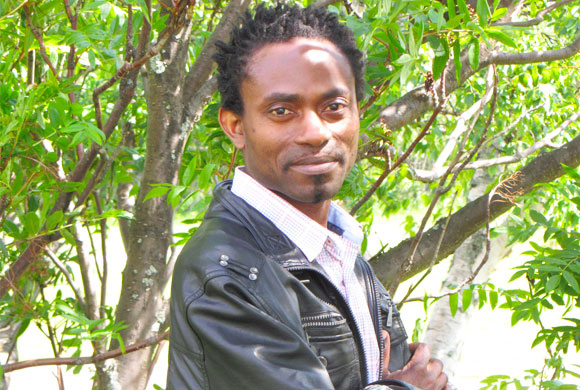
Serge-Thierry Lekounougou
Most important contributions to research or practical applications
Dr. Lekounougou Serge-Thierry’s most important contributions revolve around three themes: the energy valorization of forest biomass, the storage and recovery of heat emitted by electronic servers in data processing centers, the thermal modification of wood, and the preservation of wood and fiber quality.
Energy Valorization of Forest Biomass, Energy Storage and Recovery from Electronic Servers:
Research in this area focuses on fiber quality, energy valorization of biomass, and the open-air bio-drying of wood chips, as well as the storage and recovery of heat emitted by electronic servers in data centers. A design for an open-air bio-drying device made of PVC pipes was developed in the laboratory. The device’s role was to accelerate the drying process of the wood chips. The aim of this study was to reduce the moisture content of the wood chips below 20% for use in the manufacture of pellets for residential heating.
Furthermore, a study on the “Development of a new technique for recovering heat emitted by computer servers in order to convert and store it for heating greenhouses in northern environments” was conducted. This study assessed the potential for utilizing this energy source in the Nordic agri-food sector, specifically by evaluating the appropriate parameters for the heat produced by servers and the recovery processes. The study determined the method for recovering heat from servers, identified suitable equipment, and determined the type of greenhouse best suited for energy recovery. A pilot study in a greenhouse is planned for the future to test the effect of the recovered heat on the growth of vegetables and berries under Nordic conditions before large-scale implementation.
Thermal Modification of Wood
In this area, Dr. Lekounougou made a significant contribution to the characterization of thermally modified Canadian wood species. This work has improved our understanding of thermally modified Canadian wood species. Mechanical tests (modulus of rupture and modulus of elasticity) and dimensional stability tests have allowed us to understand the strength of thermally modified wood and to master the thermowood process in the pilot kiln at the University of Quebec at Chicoutimi (UQAC). One example of this contribution is the effect of thermal modification temperature on the mechanical properties, dimensional stability, and biological durability of black spruce (Picea mariana). This work has been cited three times in scientific journals.
Wood Preservation and Fiber Quality
Wood is a lignocellulosic material susceptible to degradation by a range of microorganisms. The constituents of wood (cellulose, lignin, and hemicellulose) represent a source of nutrition for fungi, bacteria, and insects. Research on this topic has primarily led to a deeper understanding of the various mechanisms of wood degradation and the development of a rapid detection method for wood deterioration caused by white, brown, and soft rot fungi. The analysis of the lignocellulosic constituents of wood (cellulose, lignin, hemicellulose, and extractives) was carried out using biochemical, microbiological, and physicochemical methods. A new diagnostic methodology was developed to determine fiber quality in an operational context involving the spruce budworm. This research has resulted in eight publications in international journals and five presentations at national and international conferences. One of the contributions of this research has been the identification of the enzymatic activities involved in wood degradation by the white rot fungus Trametes versicolor, which is cited 24 times in the work of other researchers (published in 2009 in Wood Science and Technology).
Serge-Thierry Lekounougou
CEDFOB
Most important contributions to research or practical applications Dr. Lekounougou Serge-Thierry’s most important contributions revolve...
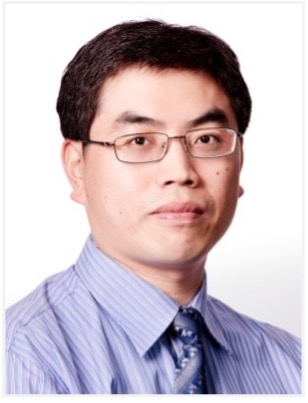
Shuhui Sun
Since 2012, Shuhui Sun is a Professor at the Institut National de la Recherche Scientifique (INRS), Centre Énergie Matériaux Télécommunications (Full Professor since 2019). His research interests focus on Nanomaterials for Sustainable Energy Conversion and Storage, including H
Shuhui Sun
Since 2012, Shuhui Sun is a Professor at the Institut National de la Recherche Scientifique...
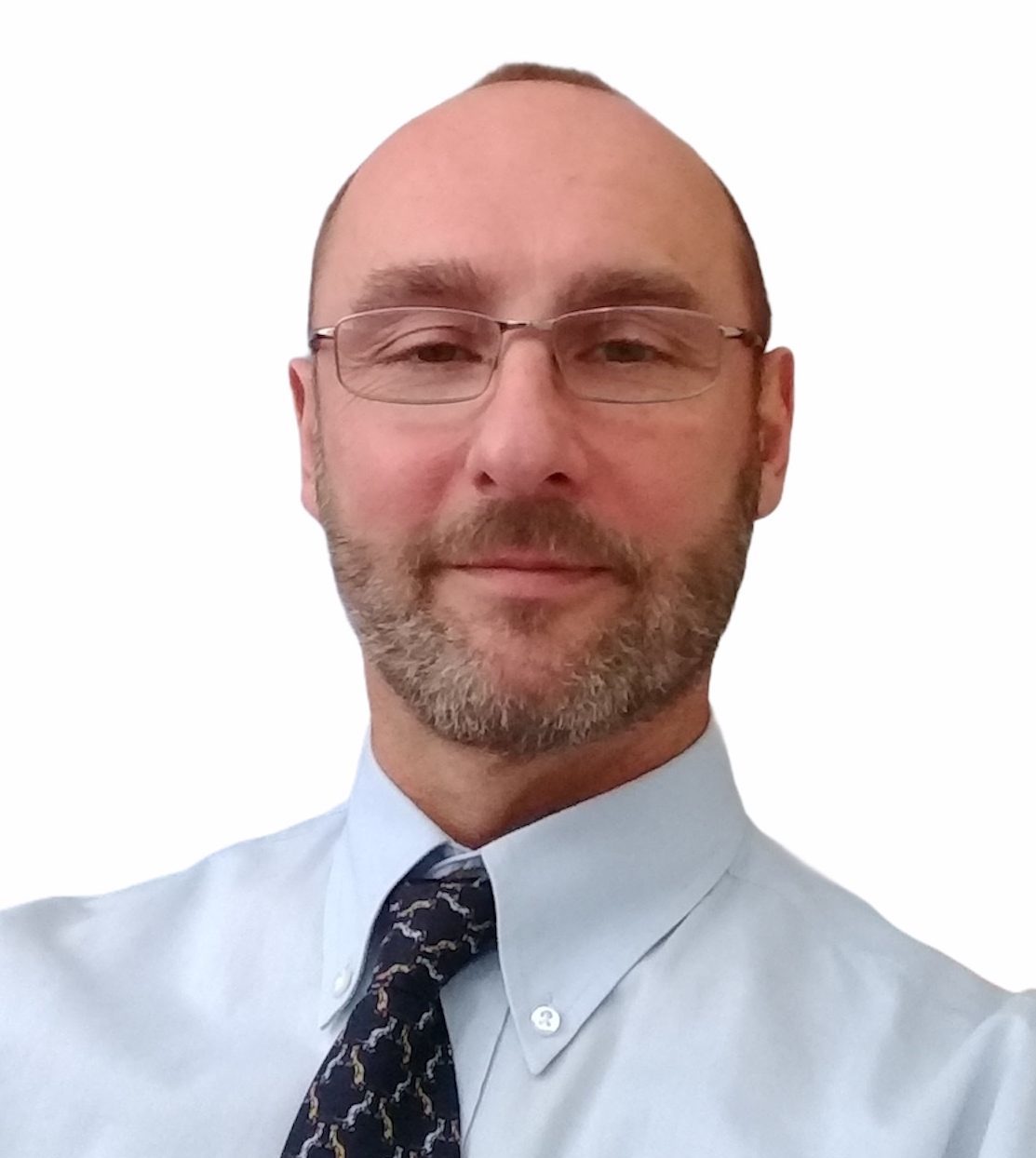
Sasha Omanovic
Sasha Omanovic is Professor of Chemical Engineering at McGill University. His research focuses on the development of electrodes for applications in the areas of energy conversion/storage, wastewater treatment and electrocatalytic hydrogenation, and on the investigation of corrosion processes and development of methods for corrosion protection. In the energy area, his laboratory works on the development of new electrode materials for hydrogen production by water electrolysis and for charge storage in supercapacitors.
Sasha Omanovic
Sasha Omanovic is Professor of Chemical Engineering at McGill University. His research focuses on the...
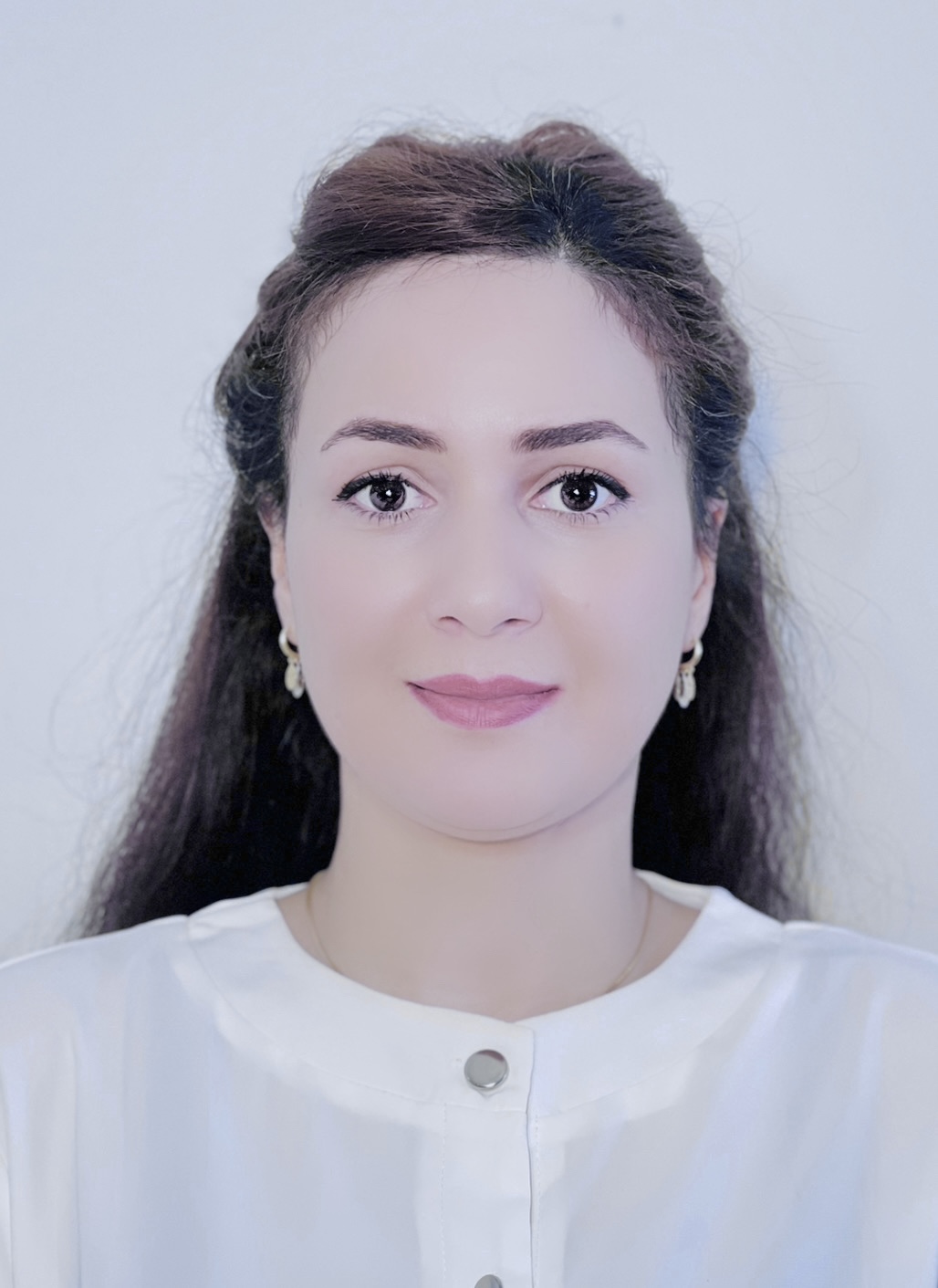
Sakine Khajavi
Sakine obtained a bachelor’s degree in Materials Engineering – Ceramics in 2008, followed by a master’s degree in Extractive Metallurgy in the field of Materials Engineering in 2011. She then began her professional career as a university professor for a period of three years. She also assumed the role of Deputy Director in the Materials Engineering Group at the Foulad Institute of Technology in Iran, serving in this position for two years.
In 2018, she successfully completed her PhD in the field of Materials Engineering and Metallurgy, specializing in the field of hydrogen storage in metal hydrides. After her PhD, Sakine began a postdoctoral research position at UQTR, where she continued her research in the field of hydrogen storage in metal hydrides. During this period, she worked under the supervision and advice of her thesis supervisor, Professor Jacques Huot, starting in 2019.
Subsequently, in 2020, she began another postdoctoral research position to study the recycling of lithium-ion batteries at UdeM/CNETE, working under the supervision of Professor Michael Dollé. It was during this phase that she obtained a professional position at the CNETE as a research assistant in electrochemistry.
Area of expertise and research:
– Electrochemistry and solvent extraction
-Critical and strategic material recycling
-Recycling of Li-ion batteries
-Storage of hydrogen in metal hydrides
-Development of new alloys and use of new synthesis techniques
-Identification of the microstructure material
Sakine Khajavi
Sakine obtained a bachelor’s degree in Materials Engineering – Ceramics in 2008, followed by a...
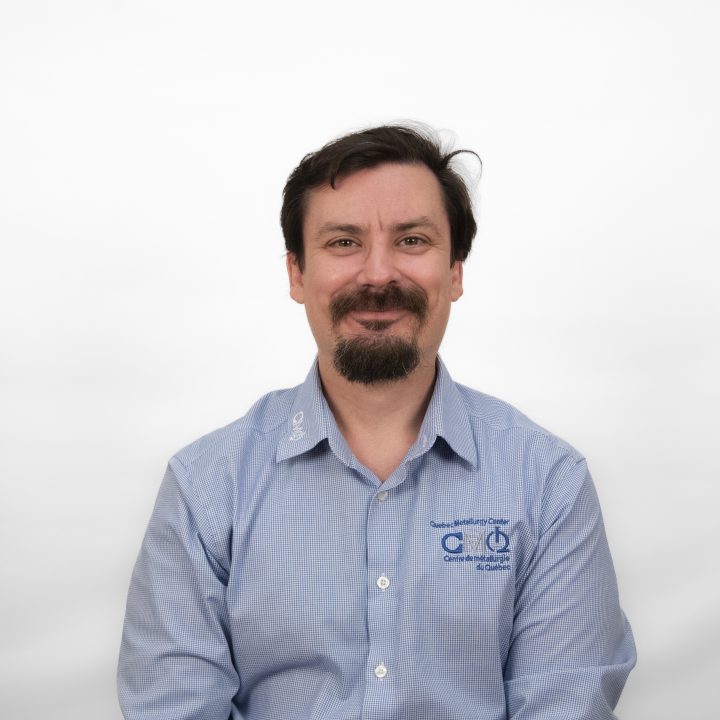
Simeon Nachev
Siméon Nachev obtained his PhD at the University of Grenoble in 2015. He worked as a Postdoc at the University of Saskatchewan until 2017. In 2019, he joined the Centre de Métallurgie du Québec in Trois-Rivières as a researcher. His interests focus on the lightening of metal structures and the strengthening of the mechanical properties of alloys, the solid storage of hydrogen in metal hydrides and the design of hydrogen tanks as well as hydrogen embrittlement of metal infrastructure.
Simeon Nachev
CÉGEP-TR
Siméon Nachev obtained his PhD at the University of Grenoble in 2015. He worked as...