
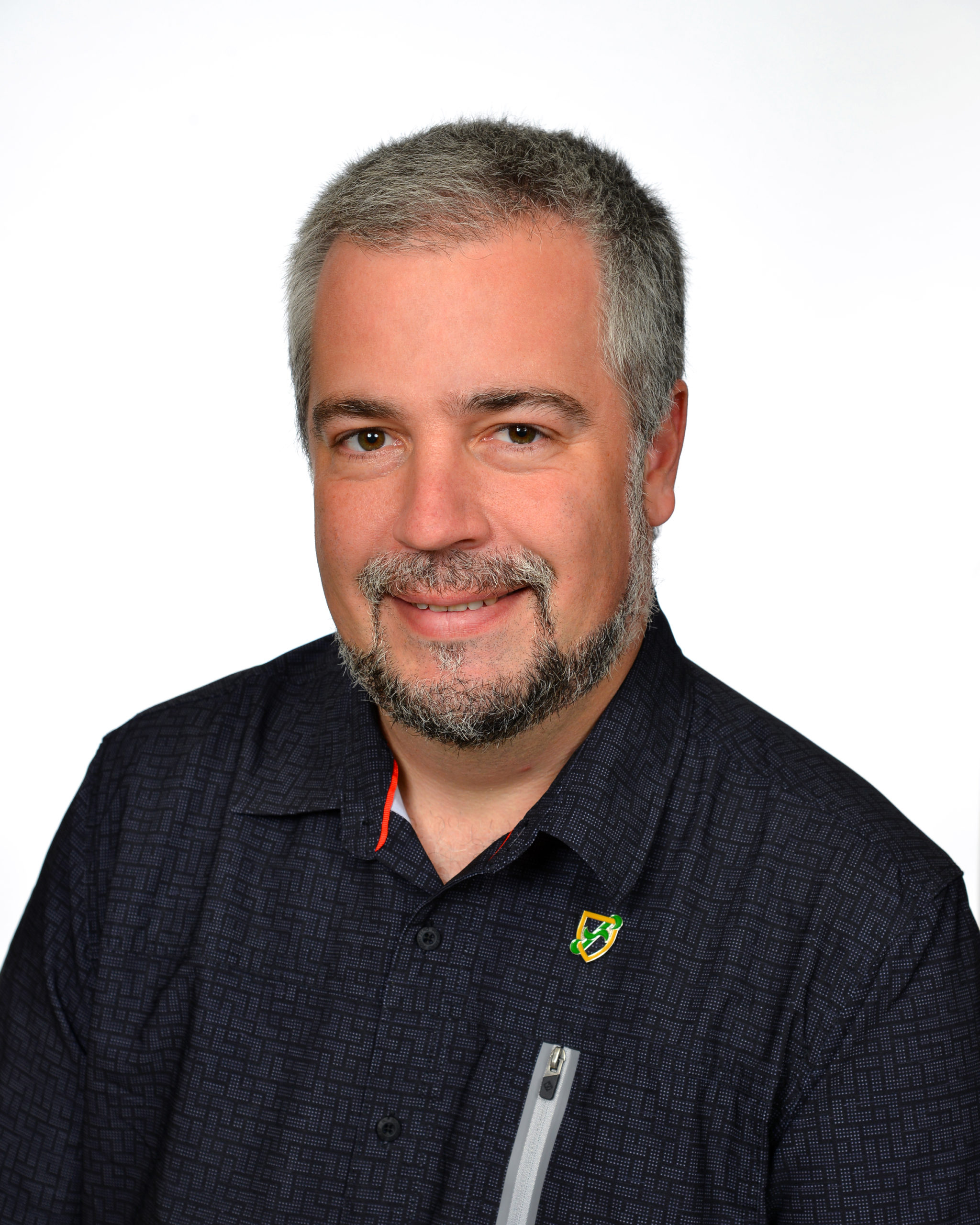
Simon Barnabé
- Biomass (agricultural, forestry, algal, supply, conditioning, fractionation)
- biofuels
- bioenergy
- circular bioeconomy
- Cohabitation approach
- strategy for valorizing co-products
- college-university synergy
- proximity to the municipal environment
Simon Barnabé
UQTR
Simon Barnabé is a professor at the Université du Québec à Trois-Rivières (UQTR), a member...
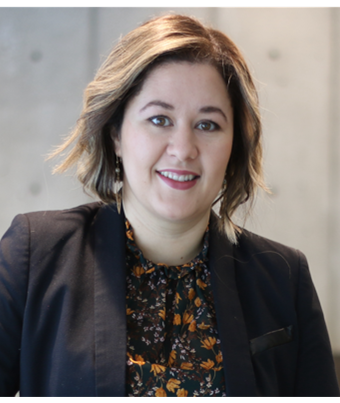
Inès Esma Achouri
Assistant Professor, Department of Chemical Engineering and Biotechnological Engineering, University of Sherbrooke, Canada.
Pre. Inès E. Achouri, P.Eng., is an Assistant Professor in the Department of Chemical and Biotechnological Engineering and has held the Tier 2 Canada Research Chair in Process Intensification for Advanced Catalysts and Sustainable Energy since April 2021. She is the Deputy Director of the Technology and Process Research Group (TSRG) and Chair of the Energy Division of the Chemical Institute of Canada (CIC). Its expertise in process intensification covers both the chemical and pharmaceutical fields for optimal efficiency.
Inès Esma Achouri
Assistant Professor, Department of Chemical Engineering and Biotechnological Engineering, University of Sherbrooke, Canada. Pre. Inès...
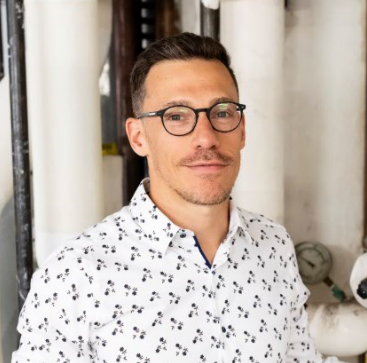
Louis Gosselin
Louis Gosselin’s research focuses on energy efficiency, particularly in buildings and the industrial sector. In buildings, his work centers on heating, ventilation, air conditioning, and cooling (HVAC-R) systems, building envelopes and fenestration, as well as intelligent system control. Recently, he has explored the energy impacts of occupant behavior, the development of predictive models using artificial intelligence, in-situ monitoring, and the use of bio-based materials. In the industrial sector, his work focuses on process and equipment modeling and optimization, energy data measurement and analysis, and operational and tactical planning to better manage energy and power in the primary aluminum and lumber industries. Louis Gosselin is also interested in the use of renewable energy sources, such as geothermal and solar energy. He is involved in several projects related to the Arctic, including high-performance buildings in the region, the integration of new energy sources, seasonal heat storage, the development of culturally and socially appropriate solutions, and co-design.
Louis Gosselin
Laval
Louis Gosselin’s research focuses on energy efficiency, particularly in buildings and the industrial sector. In...
Kamal Al-Haddad
Kamal Al-Haddad is a Canadian electrical engineer, currently holding a Canada Research Chair at the Université de Montréal.
Kamal Al-Haddad
Kamal Al-Haddad is a Canadian electrical engineer, currently holding a Canada Research Chair at the...
Daniel Guay
Professor Guay’s research focuses on the development of new materials for the energy and environmental sectors. Professor Guay is interested in nanomaterials and metastable materials produced by mechanical grinding and pulsed laser ablation. He is particularly interested in the phenomena that occur at the surface of these materials and govern their reactivity at solid-liquid and solid-gas interfaces. These fields of interest are applied electrocatalysis, whether for fuel cells or electrolysis, and hydrogen storage. Professor Guay has extensive expertise in the field of materials characterization, and is behind a number of experimental developments enabling in situ characterization of electrode materials.
Research interests:
Nanomaterials;
Electrochemistry;
Daniel Guay
INRS
Professor Guay's research focuses on the development of new materials for the energy and environmental...
Bruna Rego de Vasconcelos
Areas of expertise and research
Power-to-X. Energy recovery from greenhouse gases. Renewable. Electrocatalytic conversions. Chemical storage of renewable electricity.
Research activities
- Electrocatalytic conversion of CO2 using renewable electricity (Power-to-X)
- Conversion of syngas into energy carriers
- Power-to-X integration
Bruna Rego de Vasconcelos
Sherbrooke
Areas of expertise and research Power-to-X. Energy recovery from greenhouse gases. Renewable. Electrocatalytic conversions. Chemical...
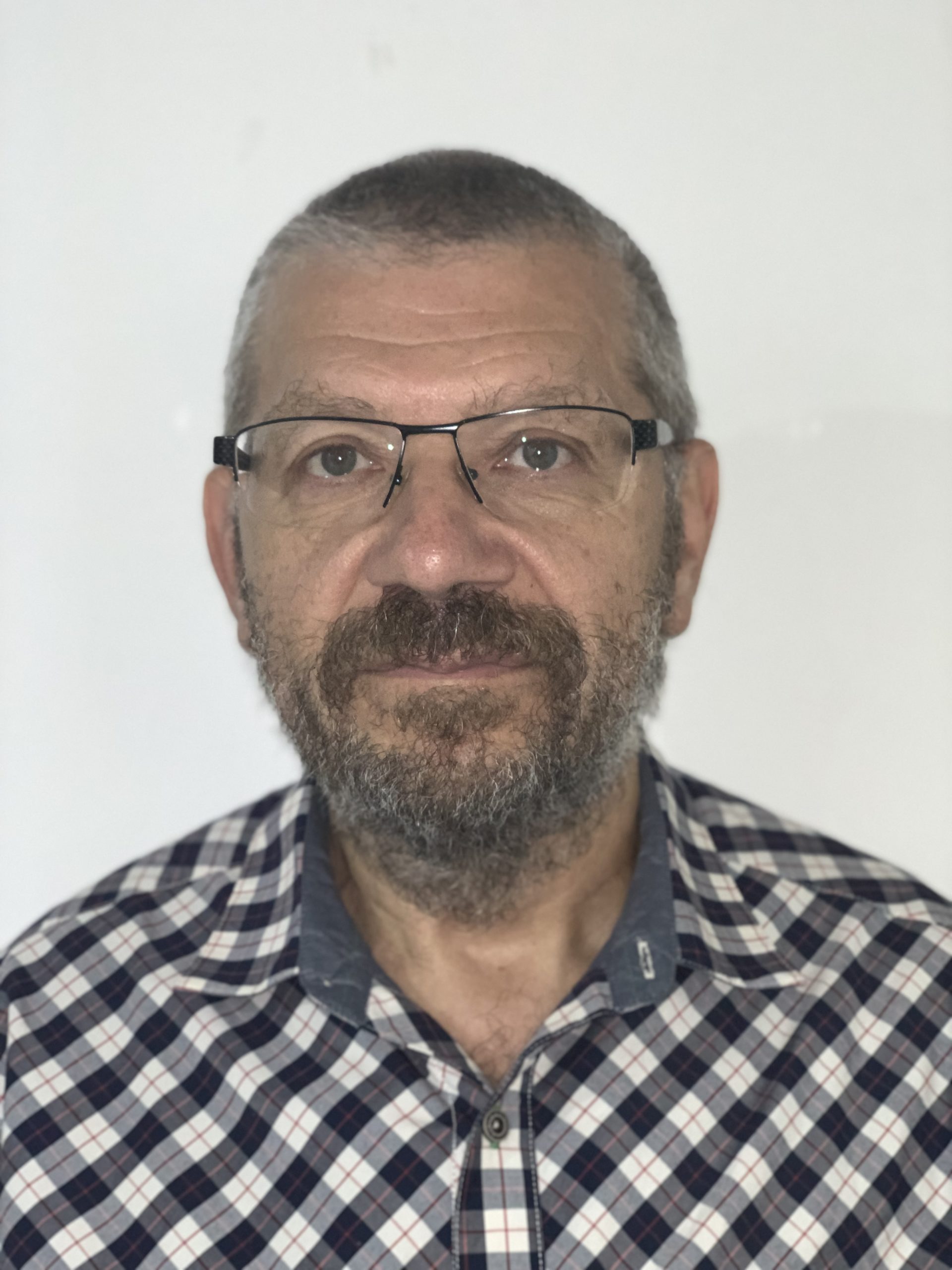
Jacques Huot
My research interests include hydrogen storage in metal hydrides, hydrogen embrittlement, and battery materials. The research is diverse, encompassing both materials and synthesis and preparation techniques. Most research projects are conducted in collaboration with international universities and laboratories (France, Norway, Germany, Italy, Israel, South Korea, China, Brazil, Costa Rica, Mexico, Colombia, and India).
Research on metal hydrides is primarily focused on two areas: the development of new alloys and the application of new synthesis and preparation techniques. Several types of alloys are currently being studied, including magnesium- or titanium-based alloys, TiFe alloys, high-entropy alloys, titanium-based alloys with a body-centered cubic structure, and lava-structured alloys. Regarding synthesis and preparation methods, we are specifically investigating mechanical milling, cold rolling, arc furnace synthesis, or combinations thereof. Our research is both fundamental and applied. We maintain constant interaction with industry to understand the specific needs that will improve the competitiveness of metal hydrides as a hydrogen storage medium.
Our activities on hydrogen embrittlement are conducted in collaboration with the Quebec Metallurgy Centre (CMQ). This research focuses primarily on the embrittlement of industrially used materials.
Our research on battery materials focuses mainly on the use of metal hydrides as negative electrodes.
Jacques Huot
UQTR
My research interests include hydrogen storage in metal hydrides, hydrogen embrittlement, and battery materials. The...
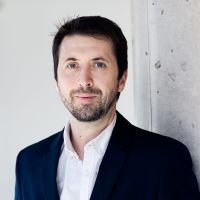
Didier Haillot
Researcher in energy and process engineering.
Dynamic and enthusiastic, I love taking on challenges as part of a team!
Specialties:
- Experimental trials: from material to process; from small scale to industrial prototype
- Simulation of complex energy systems
- Application au stockage d’énergie thermique, au solaire thermodynamique et à la serriculture
Pour une liste de mes publications et travaux, veuillez consulter cette page:
https://www.etsmtl.ca/recherche/professeurs-chercheurs/dhaillot/#Publications
Didier Haillot
ÉTS
Researcher in energy and process engineering. Dynamic and enthusiastic, I love taking on challenges as...
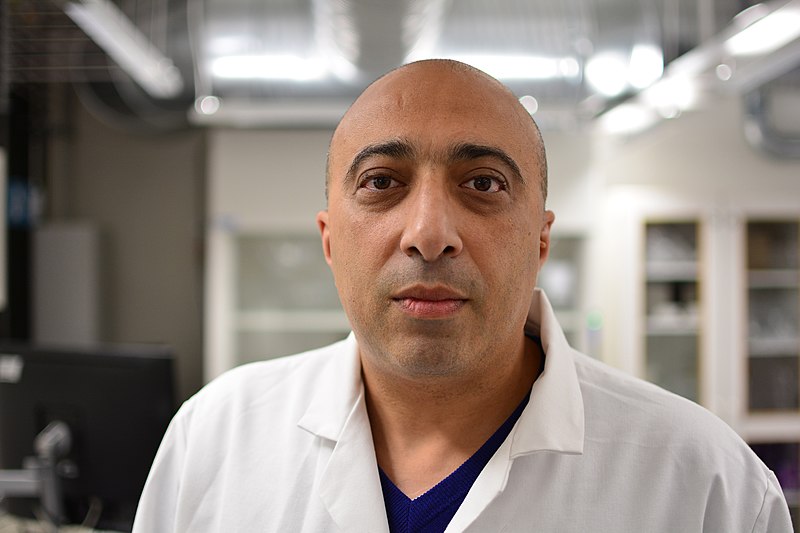
Bruno G. Pollet
Bruno Georges Pollet BSc(Hons) MSc PhD FRSC (born 1969), is a French chemist and electrochemist, Fellow of the UK Royal Society of Chemistry, Professor of Chemistry, Director of the Green Hydrogen Lab, Co-Director of the Institute for Hydrogen Research at the Université du Québec à Trois-Rivières in Canada and Associate Professor of Renewable Energy at the Norwegian University of Science and Technology (NTNU) in Norway. He has worked on hydrogen energy in the UK, Japan, South Africa, Norway and Canada, and has industrial and academic experience. He is considered one of the world’s foremost hydrogen experts.
Bruno G. Pollet
Bruno Georges Pollet BSc(Hons) MSc PhD FRSC (born 1969), is a French chemist and electrochemist,...
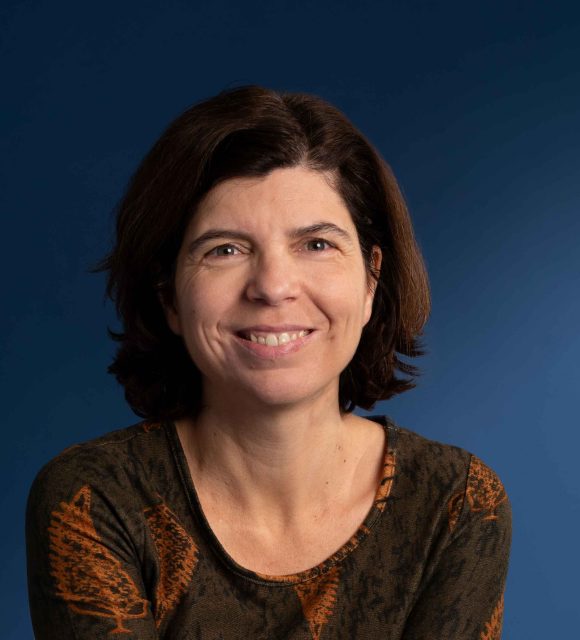
Ana Tavares
Professor Ana Tavares’ research activities focus on fuel cells, in particular on the development of direct methanol cell membranes. Its activities also include the study of the mass transport phenomenon (diffusion of methanol, water, etc.) and electrode optimization (triple phase boundary).
Professor Tavares has extensive experience in:
- The development of non-fluorinated polymeric materials for fuel cells and their characterizations (structure, morphology, transport)
- Manufacturing and evaluation of PEM & DMFC batteries
- The synthesis and characterization of oxide-based electrocatalysts used in the fields of SOFCs, water electrolysis and the chloroalkali industry
Ana Tavares
Professor Ana Tavares’ research activities focus on fuel cells, in particular on the development of...
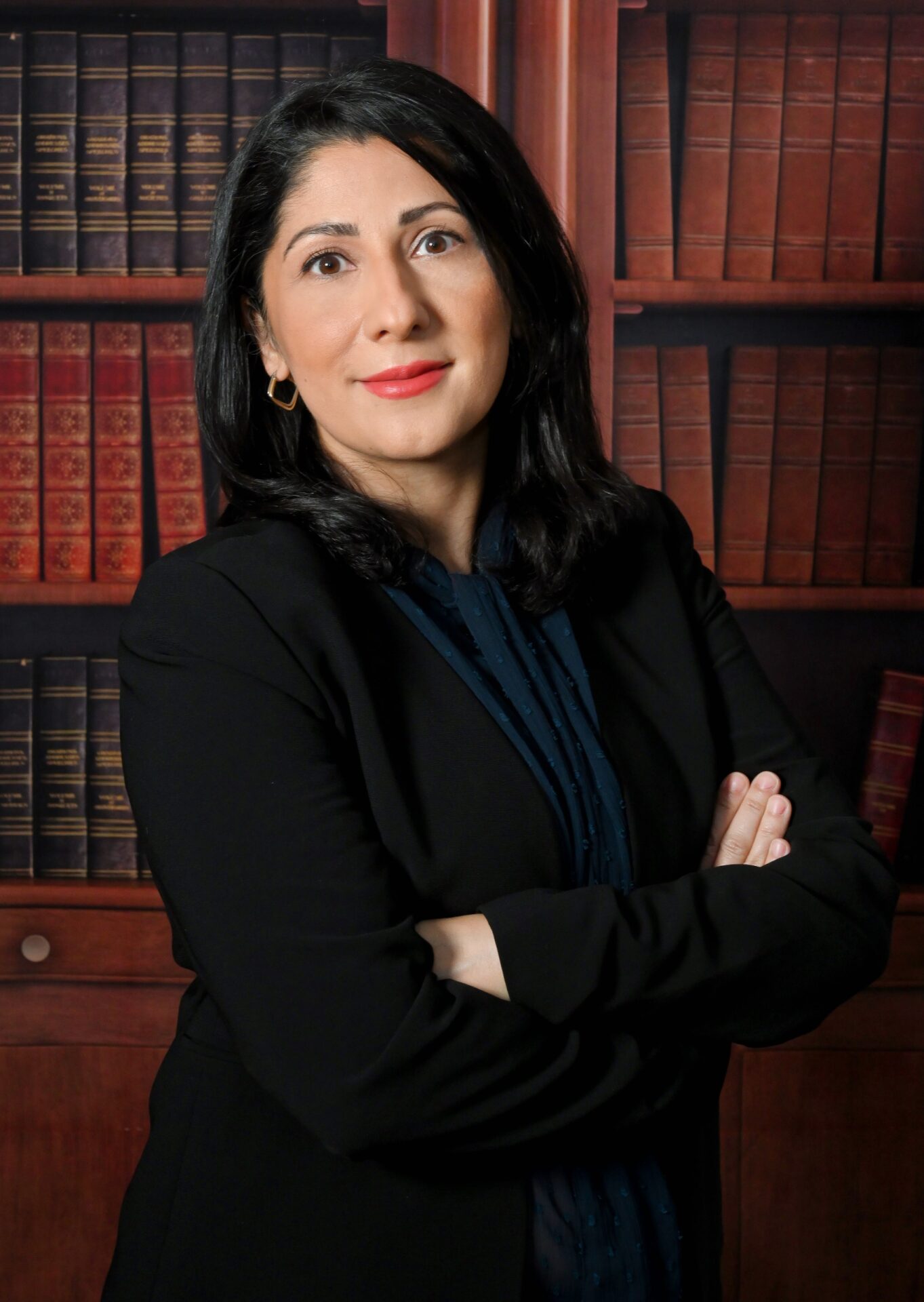
Samaneh Shahgaldi
Dr. Samaneh Shahgaldi is an Associate Professor at the University of Quebec and an Adjunct Associate Professor at the University of Waterloo. She holds the Canada Research Chair (CRC) at proton exchange membrane (PEM), fuel cells and electrolyzers. She is a member of The Institute of Innovations in Ecomaterials, Ecoproducts and Ecoenergy, based on biomass (I2E3) and Hydrogen Research Institute (HRI) of the Université du Québec à Trois-Rivières (UQTR). She is an award-winning researcher, Chair of the scientific committee, and a member of the editorial board of the International Journal of Green Energy. She was also a Senior Research Scientist at Cummins/ Hydrogenics, dealing with different Fuel Cell and Water electrolyzer projects. She is leveraging all her industrial experiences and academic knowledge to improve clean energy technologies.
Samaneh Shahgaldi
Dr. Samaneh Shahgaldi is an Associate Professor at the University of Quebec and an Adjunct...
Nahi Kandil
Nahi Kandil has been a Professor with the Engineering School, University of Quebec in Abitibi-Témiscamingue since 2000. He has worked on research dealing with neural networks and their applications to wireless communications and power systems. He is now working mainly with localization and channel modeling in confined areas and mine environments.
Nahi Kandil
Nahi Kandil has been a Professor with the Engineering School, University of Quebec in Abitibi-Témiscamingue...
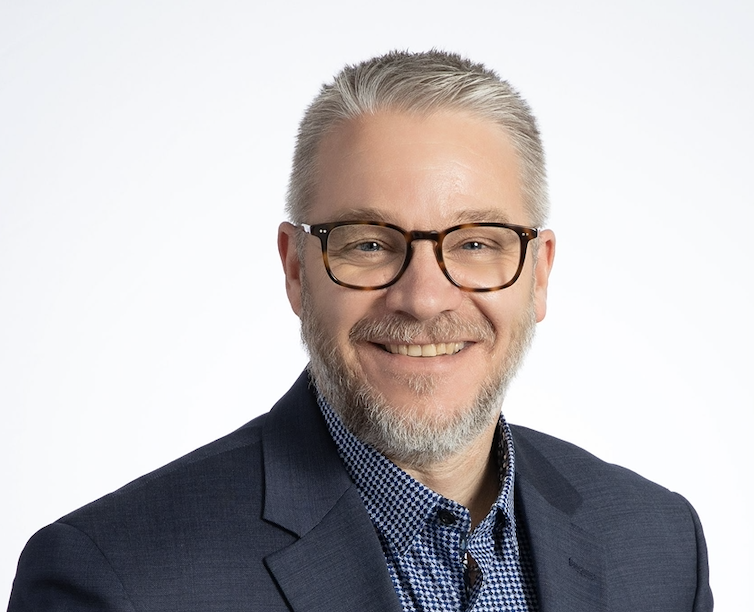
Sylvain Coulombe
Sylvain Coulombe is a physicist-engineer, full professor of chemical engineering, and Gerald Hatch Fellow at McGill University. He specializes in non-equilibrium plasma processes for applications in energy, materials, and medicine.
Conversion of electrical energy to chemical energy:
- New process for the synthesis of green ammonia by plasma-catalysis (N2+H2 ≤ > > NH3) for hydrogen storage and transport
- Dry reforming of methane (CO2+CH4) for the production of synthesis gas (CO+H2)
Dry synthesis of nanomaterials for catalysis:
- Heterogeneous structure of basic nanomaterial – nanostructured deposit
- Rapid synthesis and validation platform
- Life cycle assessment
Development of new plasma sources
- Nanosecond/pulsed power supply
- High-pressure plasmas (< > >1 atm) and process intensification
- Mini-jet for medical applications
Sylvain Coulombe
McGill
Sylvain Coulombe is a physicist-engineer, full professor of chemical engineering, and Gerald Hatch Fellow at...
Sébastien Poncet
-Energy efficiency
-Refrigeration systems (ejectors, electro- and magnetocaloric refrigeration)
-Heat pumps
-Complex heat transfer fluids (nanofluids, phase-change materials, grouts)
-Renewable energies (tidal turbines, geothermal energy, biomass)
-Energy storage (compressed air, hybrid)
-Advanced numerical modeling
-High-performance computing
-Characterization of the properties of complex materials
Sébastien Poncet
Sherbrooke
-Energy efficiency -Refrigeration systems (ejectors, electro- and magnetocaloric refrigeration) -Heat pumps -Complex heat transfer fluids...
Lionel Roué
Lionel Roué is a professor at the Institut National de la Recherche Scientifique – Centre Énergie, Matériaux, Télécommunications (INRS-EMT, Canada) since 1998. His research group is focused on the study of electrode materials (especially nanostructured/metastable materials elaborated by high-energy ball milling) for various applications, including Li batteries and Al production. He has also a strong interest in the development of in-situ characterization tools for battery materials such as X-ray tomography, dilatometry and acoustic emission.
Lionel Roué
INRS
Lionel Roué is a professor at the Institut National de la Recherche Scientifique – Centre...
Gilles Bourque
Research Interests:
Gilles Bourque
McGill
Research Interests: Uncertainty Quantification Gas Turbines Combustion Technology

Jocelyn Bouchard
Jocelyn Bouchard earned a bachelor’s degree and a master’s degree in materials engineering and metallurgy in 2001 and 2004, respectively, and a doctorate in electrical engineering in 2007. He began his career as a metallurgist in process control at the Niobec Mine in 2005 before joining Xstrata Process Support in 2007 as a process control engineer. In 2010, he became a senior mineral processing and process control engineer at Genivar.
A professor at Université Laval since 2012, he held the Agnico Eagle Mines Ltd. and ArcelorMittal Mines Leadership Chair in Mineral Processing Engineering until 2017. His expertise lies in phenomenological modeling and simulation, as well as the control and optimization of mineral and pharmaceutical processes. His research focuses particularly on reducing the energy footprint of mineral processing plants. In recent years, he has distinguished himself through the development of a library of mineral processing simulation models on the Matlab/Simulink platform and its use in designing control systems that streamline the energy required for mineral processing.
Affiliated with the Department of Chemical Engineering, Mr. Bouchard was also a Visiting Scholar in the Department of Automatic Control and Systems Engineering at the University of Sheffield in the United Kingdom in 2019-2020. His industrial collaborators include companies such as Pfizer, Nemaska Lithium, BBA, Canadian Malartic Mine, Corem, InnovExplo, Agnico Eagle Mines and Iamgold, as well as government agencies such as the National Research Council of Canada and CanmetMINES.
Jocelyn Bouchard
Laval
Jocelyn Bouchard earned a bachelor’s degree and a master’s degree in materials engineering and metallurgy...
Gabriel Antonius
High-precision calculations of electronic structures
Ab initio (first-principles) calculations involve simulating the atoms and electrons that make up a material and solving the equations of quantum mechanics to predict all its physical properties. These calculations are based on density functional theory (DFT), which allows us to calculate the energy of a system in its ground state as well as the wave function of the electrons. We use DFT to predict the structural parameters of a molecule or material, as well as the energy associated with a chemical reaction or the formation of a material.
Other, more advanced techniques allow for a better description of electron energy levels or a material’s response to an external perturbation. For example, the GW method can predict the energy required to add or remove an electron from a system, and the BSE method can calculate the optical properties of materials.
Energy-efficient materials for a sustainable future
The production and storage of renewable energy is one of the greatest challenges to overcome in addressing the climate crisis. Hydrogen is a particularly suitable energy carrier for green energy. The electrolysis process converts electrical power into chemical energy by separating water molecules into oxygen and hydrogen gas. The hydrogen is then converted into electricity in a fuel cell, and can thus power an electric car.
My research team develops innovative materials to support hydrogen technologies. This includes molecular or solid catalysts for hydrogen production and energy conversion, metal hydrides for hydrogen storage, and electrode materials for electricity storage in batteries or supercapacitors.
Electron-phonon coupling
Phonons describe the vibrational modes of atoms in a solid and are, in a sense, sound particles or quanta of vibration. When electrons move through a solid, they collide with phonons, and this process is at the heart of many phenomena, such as electrical resistivity, superconductivity, and the change in optical properties with temperature. We study these phenomena by ab initio calculation using perturbative density functional theory (PDFT).
Gabriel Antonius
UQTR
High-precision calculations of electronic structures Ab initio (first-principles) calculations involve simulating the atoms and electrons...
Mihaela Cibian
Since 2019, Mihaela Cibian has been a professor in the Department of Chemistry, Biochemistry and Physics at the Université du Québec à Trois-Rivières (UQTR), and a researcher at the Hydrogen Research Institute (IRH). Her research interests focus on artificial photosynthesis, specifically solar fuels, and energy conversion applications for sustainable development. Her research program proposes the use of Smart (Chemistry) Tools and Strategies (S(C)TS) to develop compounds and molecular and/or hybrid systems, as well as research methods, with pre-integrated regeneration, self-protection, and self-correction characteristics. She is also interested in applying strategic planning to an integrated research-education approach at the university level.
Mihaela Cibian
UQTR
Since 2019, Mihaela Cibian has been a professor in the Department of Chemistry, Biochemistry and...
Serge-Thierry Lekounougou
Most important contributions to research or practical applications
Dr. Lekounougou Serge-Thierry’s most important contributions revolve around three themes: the energy valorization of forest biomass, the storage and recovery of heat emitted by electronic servers in data processing centers, the thermal modification of wood, and the preservation of wood and fiber quality.
Energy Valorization of Forest Biomass, Energy Storage and Recovery from Electronic Servers:
Research in this area focuses on fiber quality, energy valorization of biomass, and the open-air bio-drying of wood chips, as well as the storage and recovery of heat emitted by electronic servers in data centers. A design for an open-air bio-drying device made of PVC pipes was developed in the laboratory. The device’s role was to accelerate the drying process of the wood chips. The aim of this study was to reduce the moisture content of the wood chips below 20% for use in the manufacture of pellets for residential heating.
Furthermore, a study on the “Development of a new technique for recovering heat emitted by computer servers in order to convert and store it for heating greenhouses in northern environments” was conducted. This study assessed the potential for utilizing this energy source in the Nordic agri-food sector, specifically by evaluating the appropriate parameters for the heat produced by servers and the recovery processes. The study determined the method for recovering heat from servers, identified suitable equipment, and determined the type of greenhouse best suited for energy recovery. A pilot study in a greenhouse is planned for the future to test the effect of the recovered heat on the growth of vegetables and berries under Nordic conditions before large-scale implementation.
Thermal Modification of Wood
In this area, Dr. Lekounougou made a significant contribution to the characterization of thermally modified Canadian wood species. This work has improved our understanding of thermally modified Canadian wood species. Mechanical tests (modulus of rupture and modulus of elasticity) and dimensional stability tests have allowed us to understand the strength of thermally modified wood and to master the thermowood process in the pilot kiln at the University of Quebec at Chicoutimi (UQAC). One example of this contribution is the effect of thermal modification temperature on the mechanical properties, dimensional stability, and biological durability of black spruce (Picea mariana). This work has been cited three times in scientific journals.
Wood Preservation and Fiber Quality
Wood is a lignocellulosic material susceptible to degradation by a range of microorganisms. The constituents of wood (cellulose, lignin, and hemicellulose) represent a source of nutrition for fungi, bacteria, and insects. Research on this topic has primarily led to a deeper understanding of the various mechanisms of wood degradation and the development of a rapid detection method for wood deterioration caused by white, brown, and soft rot fungi. The analysis of the lignocellulosic constituents of wood (cellulose, lignin, hemicellulose, and extractives) was carried out using biochemical, microbiological, and physicochemical methods. A new diagnostic methodology was developed to determine fiber quality in an operational context involving the spruce budworm. This research has resulted in eight publications in international journals and five presentations at national and international conferences. One of the contributions of this research has been the identification of the enzymatic activities involved in wood degradation by the white rot fungus Trametes versicolor, which is cited 24 times in the work of other researchers (published in 2009 in Wood Science and Technology).
Serge-Thierry Lekounougou
CEDFOB
Most important contributions to research or practical applications Dr. Lekounougou Serge-Thierry’s most important contributions revolve...
Dongling Ma
Professor Dongling Ma is interested in the development of new nanoscale materials and functional structures for biomedical and energy applications, such as the long-term monitoring of biological, photovoltaic or catalysis processes. More specifically, his research focuses on six themes:
- Synthesis, characterization, surface modification and biomedical applications of highly luminescent stable nanoparticles, in particular, near-infrared emitting quantum dots
- Investigating the surface chemistry and surface-property relationships of laser-fabricated nanoparticles
- Development of new nano-complexes for the detection of cellular transport of viruses
- New solar cells based on nano-hybrids of quantum dots and one-dimensional structures with high mobility (such as carbon nanotubes or TiO2 nano-belts)
- Design and production of new catalysts based on high-efficiency and low-cost transition metal nanoparticles
- Synthesis, characterization, surface modification and biomedical applications of multifunctional nanoparticles that integrate superparamagnetic and luminescent components into a unique nano-architecture
Dongling Ma
Professor Dongling Ma is interested in the development of new nanoscale materials and functional structures...

Mélanie Tétreault-Friend
Thermal energy systems: My core research area is in thermal-fluids in sustainable and low-carbon energy technologies. Carbon-free thermal energy sources, such as solar and nuclear, paired with technologies using high temperature (>400°C), heat transfer fluids, such as molten salts and synthetic oils, are promising alternatives that could achieve high thermal efficiencies. Examples include molten salt solar receivers, thermal energy storage, Generation IV nuclear reactors, and salt-cooled fusion reactors. Improving thermal-hydraulics analyses and predictions is crucial in order realize major safety, reliability, and economic breakthroughs in these technologies.
I focus on advanced experimental and applied computational methods for radiative heat transfer in high temperature heat transfer fluids. My group’s research involves developing methods to measure the thermal radiation absorption and scattering optical properties of high temperature fluids, developing and carrying-out lab-scale experiments to investigate the mechanisms governing the interaction between radiation and convection in volumetrically heated fluids used in solar and nuclear applications, and using the experimental data to develop computational and analytical models to improve system efficiencies.
Mélanie Tétreault-Friend
Thermal energy systems: My core research area is in thermal-fluids in sustainable and low-carbon energy...
Jasmin Raymond
Interested in heat transfer phenomena applied to Earth sciences, Professor Raymond is a hydrogeologist who conducts research on geothermal energy. Its current projects concern the very low to high temperature resources associated with both geothermal heat pumps and power generation plants, are carried out on four continents, from the Arctic to the tropics, and help develop sustainable energy solutions to meet the growing needs of our society. Awarded by the Canadian Geotechnical Society, holds a research chair from the Institut nordique du Québec and is supported by UNESCO, Professor Raymond directs the Open Geothermal Laboratory used to characterize the thermophysical properties of rock essential to the modelling of geothermal systems of all kinds. The main objective of its projects, carried out in collaboration with designers, developers, manufacturers and regulators, is to improve the efficiency and profitability of geothermal systems through scientific and social innovations.
*****************************************************
Interested by heat transfer applied to Earth Sciences, Professor Raymond is a hydrogeologist conducting research on geothermal energy. His current projects involve very low to high temperature resources associated with both geothermal heat pumps and power production, spanned over four continents, from the arctic to the tropics, helping to develop sustainable energy solutions for growing needs of our society. Awardee of the Canadian Geotechnical Society, chair holder of the Institut nordique du Québec and granted by UNESCO, Professor Raymond leads the Laboratoire ouvert de géothermie to characterize thermophyscial properties of rocks essential to model geothermal systems of all kinds. The main objective of his projects, done in collaboration with geothermal designers, developers, manufacturers and regulators, is to improve the efficiency and profitability of systems by providing scientific and social innovations.
Jasmin Raymond
Interested in heat transfer phenomena applied to Earth sciences, Professor Raymond is a hydrogeologist who...
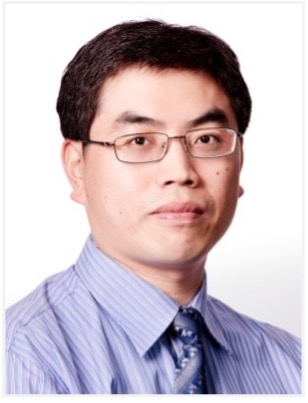
Shuhui Sun
Since 2012, Shuhui Sun is a Professor at the Institut National de la Recherche Scientifique (INRS), Centre Énergie Matériaux Télécommunications (Full Professor since 2019). His research interests focus on Nanomaterials for Sustainable Energy Conversion and Storage, including H
Shuhui Sun
Since 2012, Shuhui Sun is a Professor at the Institut National de la Recherche Scientifique...
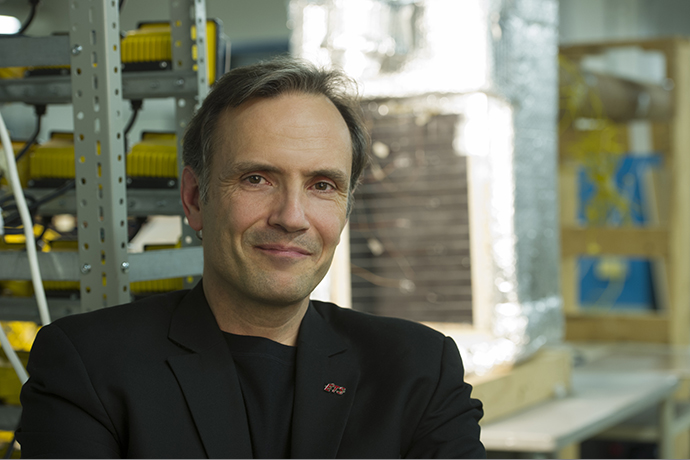
Daniel Rousse
Devoted professor of energy engineering now building a philanthropic-based research group to bring water and light in areas of the world where communities and villages are not connected to the grid. Also working on natural building enveloppes.
Earlier, head of an industrial research Chair related to energy which aimed at proposing a novel regional development model for researchers established in regions of Quebec where there is no university. The Chair was hosted by the Chaudiere-Appalaches region. It realized 77 interventions and contributed to the foundation and activities of 3 start-ups.
Formerly, higher education executive with experience in all aspects of human, material, and financial resources management. Direct experience in government liaison, research funding, foundation operations, and international relations.Particularly skilled for team work with key social and economic actors. Interested in having universities closely implemented in their communities. Focused on the key issues of mediation and conciliation when it comes to discuss with unions and external partners.
Project manager focused on the appropriate optimization of performance, time, and budget to deliver products enthusiastically acknowledged.
University faculty with substantial design and heat transfer experience, and several local and Canadian awards. Network involving more than 25 collaborations with more than 10 countries and universities.
Specialties:
- Economic, social and university development;
- Innovative solutions, out-of-the-box thinking, global vision;
- Fund raising;
- Human, material, and financial resources management;
- Mediation and conciliation;
- International and inter-university relations;
- Team work and university teaching and learning skills;
- Design and energy research and teaching;
- Industrial design of mechanical systems.
Daniel Rousse
ÉTS
Devoted professor of energy engineering now building a philanthropic-based research group to bring water and...
Oumarou Savadogo
Research Interests
- Materials for energy and electrochemistry;
- Photovoltaic and thermal solar energy;
- Electrochemical energy storage (batteries and accumulators, fuel cells, electrochemical capacitors);
- Hydrogen (electrolytic production, storage and use)
- Renewable energies;
- Biomaterials;
- Corrosion;
- Electrochemical processes;
- Plating;
- Physico-chemical characterization of materials.
Oumarou Savadogo
Polytechnique
Research Interests Materials for energy and electrochemistry; Photovoltaic and thermal solar energy; Electrochemical energy storage...
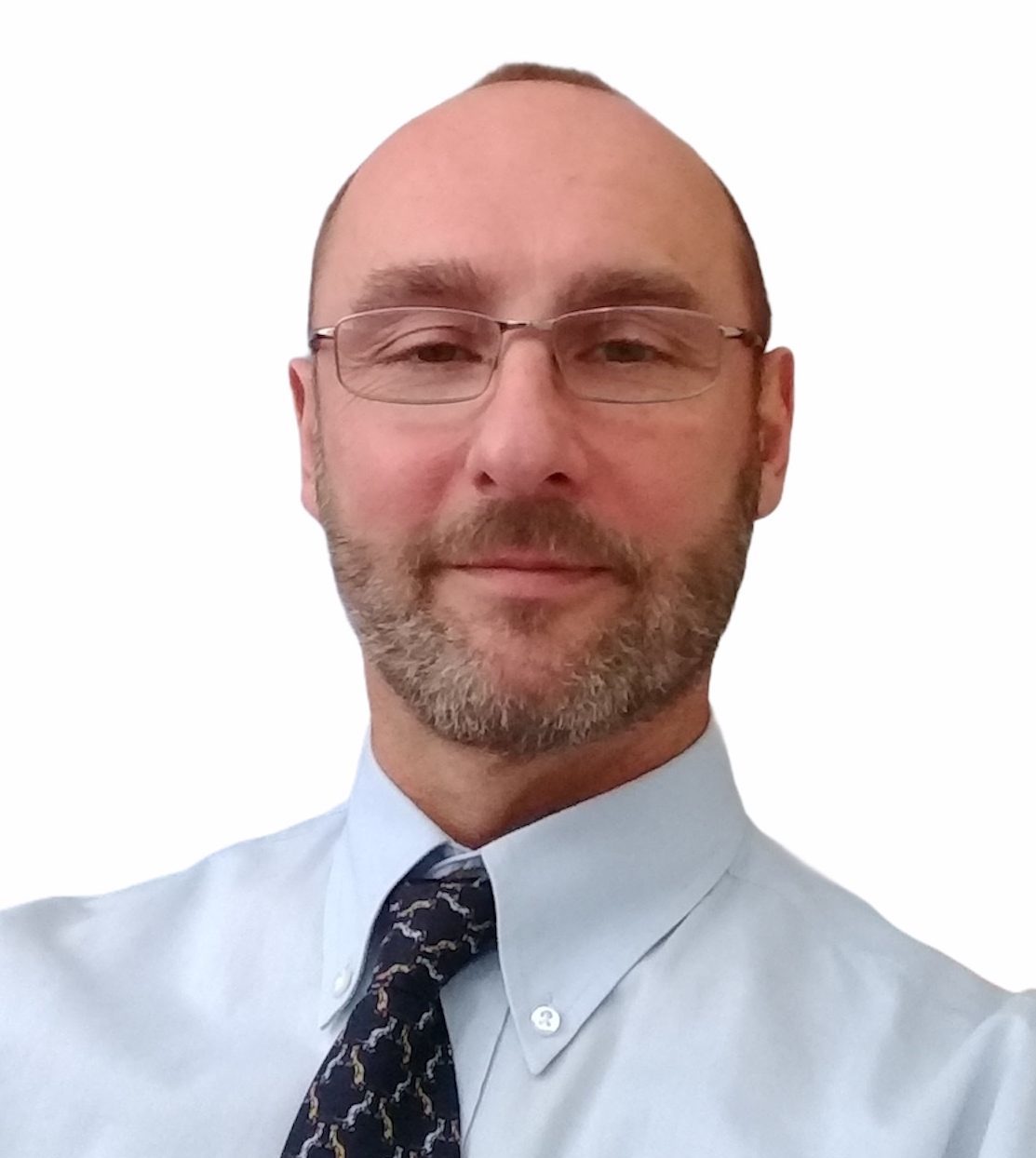
Sasha Omanovic
Sasha Omanovic is Professor of Chemical Engineering at McGill University. His research focuses on the development of electrodes for applications in the areas of energy conversion/storage, wastewater treatment and electrocatalytic hydrogenation, and on the investigation of corrosion processes and development of methods for corrosion protection. In the energy area, his laboratory works on the development of new electrode materials for hydrogen production by water electrolysis and for charge storage in supercapacitors.
Sasha Omanovic
Sasha Omanovic is Professor of Chemical Engineering at McGill University. His research focuses on the...
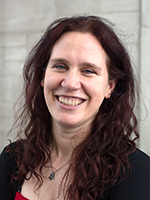
Evelyne Thiffault
Areas of expertise
- Forest soils
- Forest biomass
Research centers and groups
- Member of the Centre for Research on Renewable Materials (CRMR)
Evelyne Thiffault
Laval
Areas of expertise Forest soils Forest biomass Research centers and groups Member of the Centre...
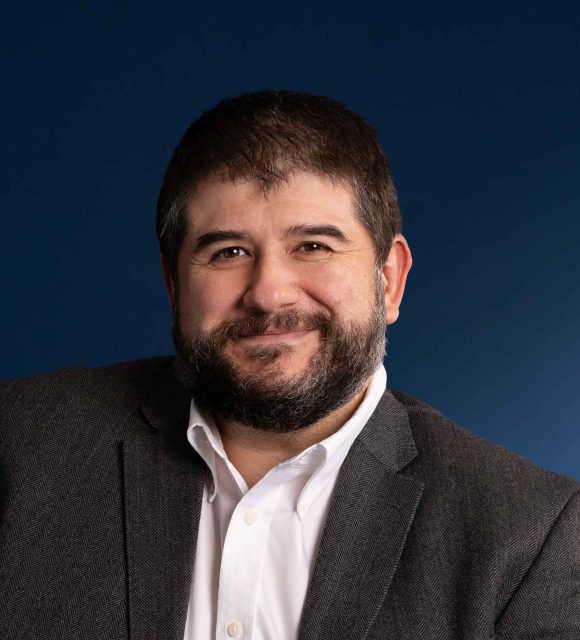
Emanuele Orgiu
Prof. Emanuele Orgiu’s research group investigates new electronic and optical phenomena occurring in molecular solids such as organic (semi-)conductors or 2D materials such as graphene and transition metal dichalcogenides.
The group’s work includes the microfabrication and nanofabrication of two- and three-terminal devices (capacitors, diodes and transistors) and their characterization at low temperatures (up to 1.8 K) under strong magnetic fields.
The newly formed team will study magnetoresistance, heat transfer and thermoelectricity in the above (semi-)conductor systems. All the measurements obtained will constitute a mine of information on the electronic properties of materials and their potential application in the fields of energy and electronics.
Prof. Orgiu’s research program is unique in that it uses supramolecular approaches with materials such as graphene and transition metal dichalcogenides to test new physical scenarios arising from the combination of molecules and 2D materials. The group relies on molecule design to master supramolecular interactions and better understand spin and heat transport in organic semiconductors and 2D materials.
Emanuele Orgiu
Prof. Emanuele Orgiu’s research group investigates new electronic and optical phenomena occurring in molecular solids...
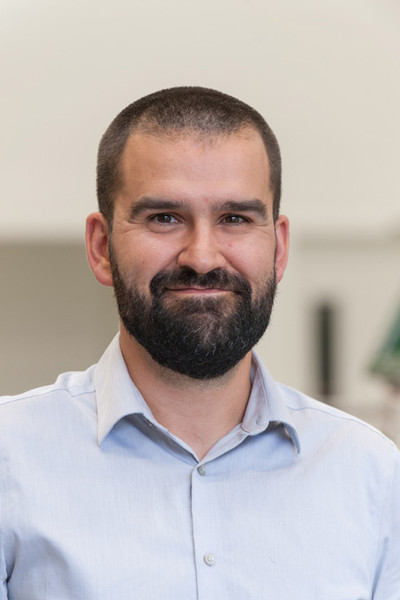
Jean-Michel Lavoie
Areas of expertise and research
Biofuels. Biorefineries. Analytical chemistry. Catalytic conversions. CO2 conversion. Cellulosic ethanol. Green chemicals. Industrial organic syntheses.
Research activities
- Isolation of components of residual forest and agricultural biomass (biorefinery)
- Thermochemical conversion of hemicelluloses into biodiesel
- Non-enzymatic hydrolysis of cellulose
- Conversion of lignin into biofuels and green chemicals
- Catalytic conversion of syngas into ethanol and 2nd and 3rd generation biofuels
- Development of analytical methods for analyzing biofuel production processes
- Conversion of CO2 into high value-added chemicals through catalytic and biological conversion
- Roasting and pyrolysis of biomass from energy crops
Jean-Michel Lavoie
Sherbrooke
Areas of expertise and research Biofuels. Biorefineries. Analytical chemistry. Catalytic conversions. CO2 conversion. Cellulosic ethanol....
Phuong Nguyen-Tri
- Surface Chemistry
- Nanomaterials (environment, energy)
- Multifunctional and bio-based composites
- Polymer crystallization
- Biomass valorization
- Polymer durability
- Smart coatings
- Advanced materials for energy and the environment
- conductive polymers
Phuong Nguyen-Tri
UQTR
Area of interest / Field of expertise: Surface Chemistry Nanomaterials (environment, energy) Multifunctional and bio-based...
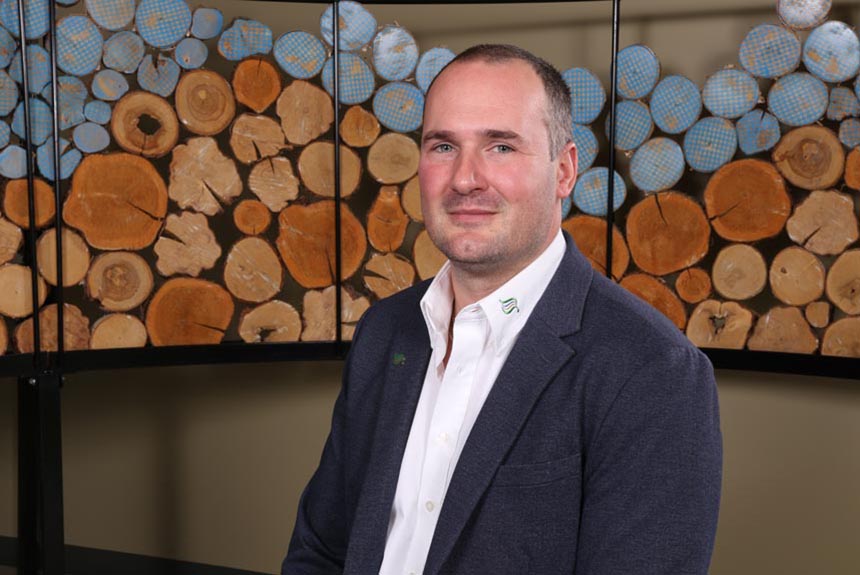
Jean-Philippe Jacques
Main areas of activity and research:
- Developing a promising and forward-looking vision
- Supporting a multidisciplinary team in the execution of their tasks
- Developing successful collaborations
- Sustainability and modernization of the equipment fleet
Jean-Philippe Jacques
CÉGEP-TR
Main areas of activity and research: Developing a promising and forward-looking vision Supporting a multidisciplinary...
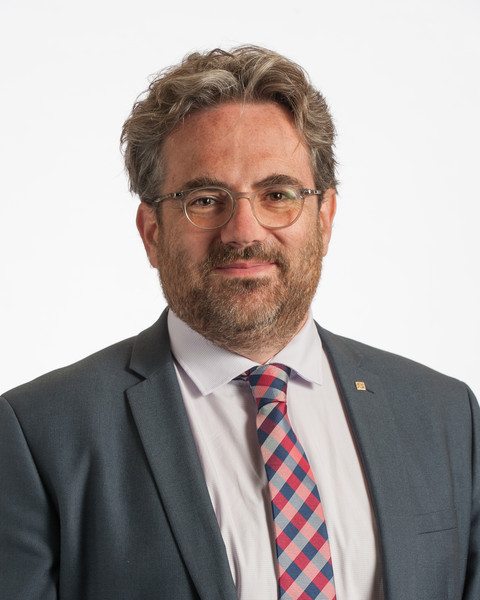
Vincent Aimez
Professor Vincent Aimez holds degrees in electrical engineering from the University of Rouen in France, applied physics from Kingston University in the United Kingdom, and electrical engineering from the University of Sherbrooke. A professor in the Department of Electrical and Computer Engineering, he is the Director of Scientific Partnerships at the MiQro Innovation Collaboration Centre (C2MI), which brings together a range of industrial and academic partners to accelerate the commercialization of micro-nanotechnologies. He is a founding member of 3IT.nano at the University of Sherbrooke. In recent years, he has pioneered numerous strategic industrial partnerships in the field of micro-nanotechnologies.
He is currently working on the development of the solar technology park at the University of Sherbrooke, aiming to integrate multiple sources of solar energy production and renewable energy management, in partnership with Hydro-Sherbrooke. His work has resulted in over 200 publications and conference presentations, and includes numerous collaborations with various industrial partners in France and Canada.
He is the co-founder of the CNRS International Joint Unit, known as the Nanotechnologies Nanosystems Laboratory (LN2). Benefiting from an original scientific positioning linked to multiple academic and industrial partners on both sides of the Atlantic, LN2 has become a point of contact between Europe and North America in the field of micro-nanotechnologies.
Vincent Aimez
Sherbrooke
Professor Vincent Aimez holds degrees in electrical engineering from the University of Rouen in France,...
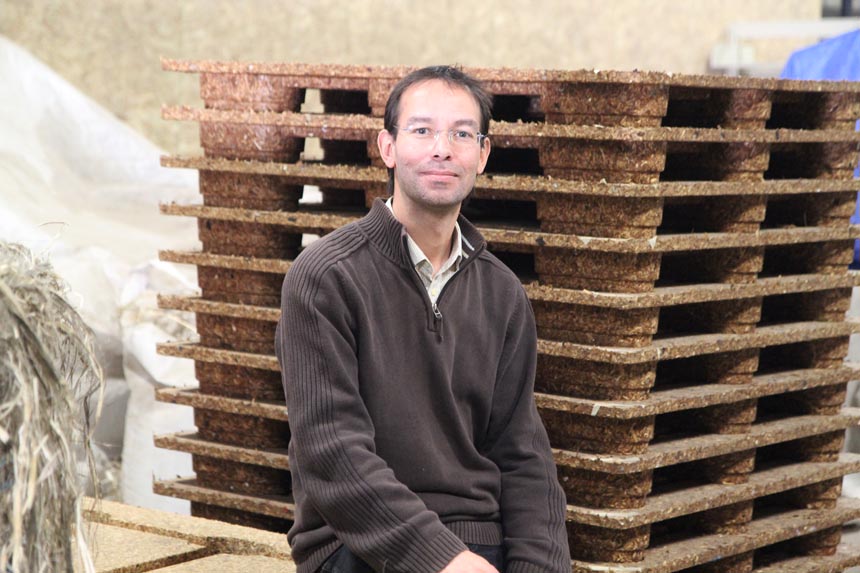
William Belhadef
Sector of activity and research:
Conditioning and recovery of industrial waste
Main areas of activity and research:
Crushing, separation, densification and heat treatment operations
Development of specific physico-chemical methods
Development of biomaterials and eco-construction products
A specialist in Process Engineering – chemical and Thermal/Energy industry, William joined CTRI in 2025 to work on extraordinary projects and to find ways to valorize residues and waste.
Previously, he was a researcher at Innofibre and worked mainly on biomass conditioning.
William Belhadef
CÉGEP-AT
Sector of activity and research: Conditioning and recovery of industrial waste Main areas of activity...
João Pedro Fernandes Trovão
Research topics
Energy Storage, Industrial and Power Electronics, Electricity Conversion and Distribution, Transportation Equipment, Electrical Networks.
Research disciplines
Electrical Engineering and Electronic Engineering.
João Pedro Fernandes Trovão
Sherbrooke
Research topics Energy Storage, Industrial and Power Electronics, Electricity Conversion and Distribution, Transportation Equipment, Electrical...
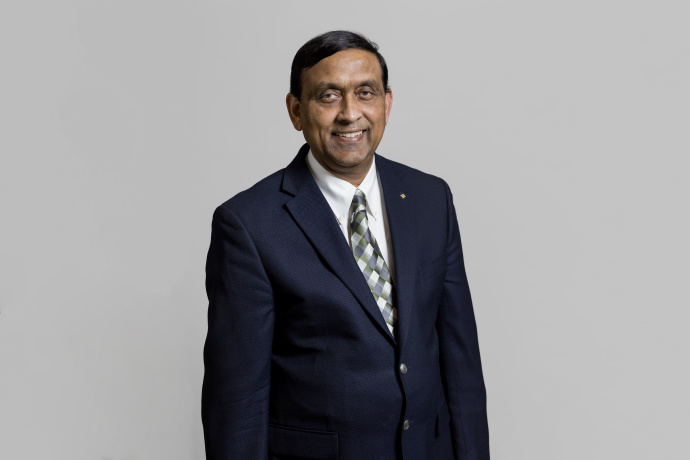
Ambrish Chandra
Research areas:
- Energy
Expertise:
- UPQC
- Wave quality
- Harmonic compensation
- Active power filters
- Statcom
- Dstatcom –
- Renewable energy
- Wind turbines
- Solar panels
- Grid Interfacing
Ambrish Chandra
ÉTS
Research areas: Energy Expertise: UPQC Wave quality Harmonic compensation Active power filters Statcom Dstatcom –...
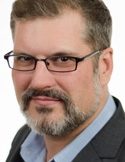
Jeffrey Bergthorson
Research Interests:
Primary Research Theme: Combustion and Energy Systems
Research Lab/Group: Alternative Fuels
The development of technologies that do not rely on fossil fuels is a major challenge facing society today. Our research program is aimed at the development and validation of models for the combustion properties of alternative and sustainable (bio-derived) fuels through a complementary experimental, computational, and analytical modeling approach. We are also investigating flames of a mixture of solid and gaseous fuels, combustion in heat recirculating burners for Stirling engine generators, the vaporization properties of biofuel/petrofuel blends, and the reaction of metal-water mixtures for hydrogen production.
Jeffrey Bergthorson
McGill
Research Interests: Primary Research Theme: Combustion and Energy Systems Research Lab/Group: Alternative Fuels The development...
Antonio Avalos Ramirez
- Biomethanization, catalytic processes, thermochemistry.
Antonio Avalos Ramirez
CNETE
INTERESTS Biomethanization, catalytic processes, thermochemistry. CENTRAL RESEARCH AREAS Water Use Focus Area Theme 3: Water...
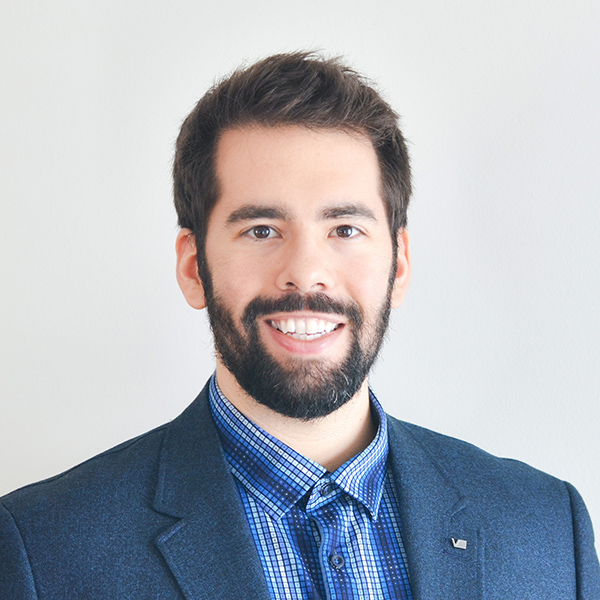
François Allard
Professor François Allard joined the Centre Énergie Matériaux Télécommunication in 2022 to develop a research program in applied electrochemistry and numerical modeling of electrochemical cells. He is a regular member of the INRS-UQTR joint research unit (UMR) ON MATERIALS AND TECHNOLOGIES FOR THE ENERGY TRANSITION. He works mainly in the following areas:
- Finite element modeling of electrochemical cells (batteries, fuel cells and high-temperature electrolyzers).
- Development of metal and ceramic materials for electrolysis technologies (hydrogen, aluminum), metal electrode batteries (lithium, aluminum) and solid oxide fuel cells.
He has a strong background in thermal-electrical-electrochemical modeling, metal electrode synthesis and electrochemical cell evaluation for energy storage.
François Allard
INRS
Professor François Allard joined the Centre Énergie Matériaux Télécommunication in 2022 to develop a research...
Federico Galli
PhD in industrial chemistry, I worked on the development of sustainable bioplasticizers from vegetable oil and on the optimization of biodiesel production. Since 2017, I have been working at Polytechnique Montréal on new catalysts for the partial oxidation of methane to syngas, and the subsequent Fischer-Tropsch reaction for the synthesis of fuels. Since November 2021, I have been a Professor at the University of Sherbrooke. My research focuses on the optimization of small, medium and large-scale processes for the production of turquoise hydrogen by pyrolysis of methane, natural gas and residual materials. With a strong experience in catalysis and modeling, I aim to further develop a multi-scale catalytic process modeling (molecular, macromolecular, fluidodynamic, process simulation). Another area of research is the use of glycerol (crude) for the production of diols (and other molecules with high added value for a green and circular economy).
I am Vice-Chair of the Energy Division of the Canadian Institute of Chemistry, Associate Editor for the journals Processes (MDPI) and IET Renewable Power Generation (IET).
Author of the 2 applications for inventions, several scientific articles and conference participations, I teach industrial chemical processes, organic chemistry and, as of 2024, reaction systems at the University of Sherbrooke.
Keywords: modelling, turquoise hydrogen, life cycle assessment, catalysis, industrial processes
Federico Galli
PhD in industrial chemistry, I worked on the development of sustainable bioplasticizers from vegetable oil...
Mohamad Issa
Mr. Issa is a specialist in the field of renewable energy, marine electric propulsion and power distribution, with a doctorate in engineering from the University of Quebec in Chicoutimi (UQAC), and a master’s degree from the University of Quebec in Trois-Rivières (UQTR). He held the position of Director of Research and Development at AMH Canada from 2006 to 2012 and is a Research Associate at the Cégep de Rimouski (his CCTT) Innovation Maritime (IMAR), since April 2018.
Professor Issa is currently leading research projects related to the maritime industry (electric propulsion and green ports) and on the field of renewable energy and control systems based on artificial neural networks. Author of nearly 35 scientific publications in peer-reviewed international journals and a dozen chapter of books all over the world, Mr. Issa is a professor at the Maritime Institute of Quebec and an associate professor at UQAR. He co-supervises nearly 10 students at the Masters and PhD levels in connection with his research activities.
Mohamad Issa
Mr. Issa is a specialist in the field of renewable energy, marine electric propulsion and...
Martin Désilets
Built on 9 years of experience as an industrial researcher at Alcan International Ltd and on 17 years in academia (7 yrs in mechanical engineering at Université de Sherbrooke (UdS) and 10 yrs in chemical and biotechnological engineering at UdS), the expertise of Pr. Martin Désilets covers mainly 2 domains: 1- thermal diagnostic and simulation of electrochemical reactors and 2- development of reduced models for process control purposes. His recent contributions in the numerical simulation of electrochemical systems helped to understand transport phenomena inside various engineering applications like aluminium reduction process, alumino-thermal reduction of niobium oxide, electro-reduction of CO2, production of metallic lithium or lithium ion batteries. His management experience with technological transfer is regularly used to help his R&D partners to design and optimize their production facilities.
Martin Désilets
Built on 9 years of experience as an industrial researcher at Alcan International Ltd and...
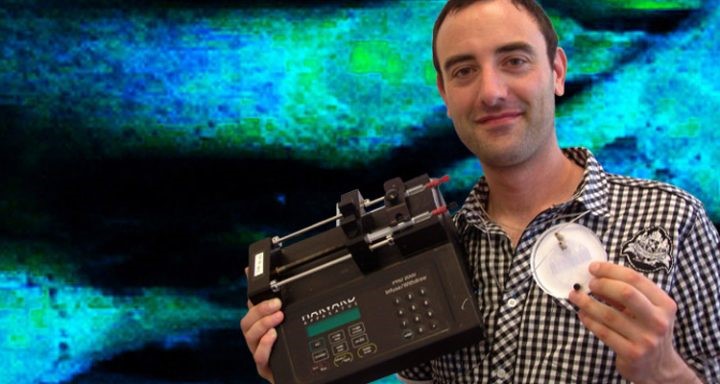
Jesse Greener
Jesse Greener has been a full professor of chemistry at Université Laval since 2012 where his research area focuses on the combination of microfluidics/microfabrication, electrochemistry and analytical chemistry at the microscopic scale. Jesse is also the founder of Canada’s most established microfluidics company, FlowJEM Polymer Microfluidics, which operates in Toronto. Jesse’s team operates a well-funded research laboratory to develop and commercialize microfluidic analysis tools for spectroscopy and electrochemistry and use them for studies on the recovery of values from waste streams (waste to wealth). A major research theme of his group concerns bioelectrochemical systems (BES), which exploit electroactive bacteria to break down organic molecules in domestic and industrial wastewater. His group has demonstrated the world’s most efficient microfluidic microbial fuel cell, as well as new specialized methods for their study, including computational simulations of fluid dynamics. Other areas of interest include waste heat recovery, various sensors, electrochemical CO2 reduction, and bioinformatics.
Jesse Greener is a full professor in Chemistry at Université Laval since 2012 where his research area focuses on combining microfluidics/microfabrication, electrochemistry and microscale analytical chemistry. Jesse is also the founder of Canada’s most established microfluidic company, FlowJEM Polymer Microfluidics, which opperates out of Toronto. Jesse’s team exploits a well-funded research laborator to design and commerciallized microfluidic analytical tools, for spectroscopy and electrochemistry and use them for studies into recovery of valubles from wastestreams (waste-to-wealth). A major research theme in his group is bioelectrochemical systems (BES), which exploits electroactive bacteria to breakdown organic molecules in domestic and industrial wastewaters. His group has demonstrated the highest performing microfluidc microbial fuel cell in the world, along with new specialized methods for their study, including computational fluid dynamics simulations. Other areas of interest include waste heat recovery, various sensors, and electrochemical CO2 reduction, and biocomputing.
Jesse Greener
Jesse Greener has been a full professor of chemistry at Université Laval since 2012 where...
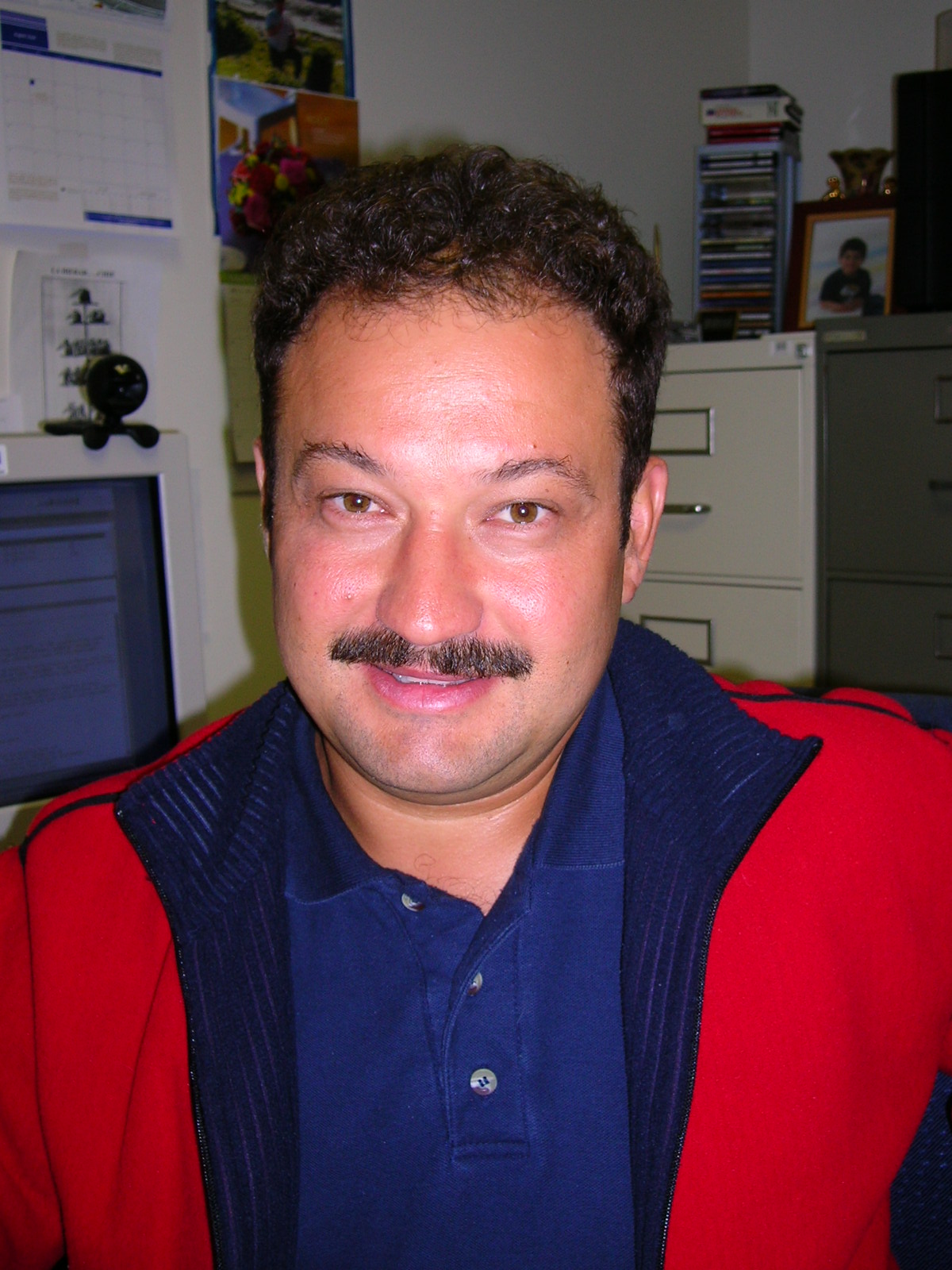
Adrian Ilinca
Adrian ILINCA is a professor of mechanical engineering at the École de Technologie Supérieure in Montreal. He received his Ph.D. from École Polytechnique de Montréal in 1994. Until 2022, he was a professor and director of the Wind Energy Research Laboratory at the Université du Québec à Rimouski. His main contributions include hybrid renewable energy systems, pneumatic diesel hybridization, energy storage, energy efficiency, fluid flow simulation, heat and mass transfer, and optimization.
Adrian ILINCA is a Professor in Mechanical Engineering at École de Technologie Supérieure, Montreal. He obtained his Ph.D. from École Polytechnique de Montréal in 1994. He was, until 2022, professor and director of the Wind Energy Research Laboratory at Université du Québec à Rimouski. His main contributions are in hybrid renewable energy systems, pneumatic hybridization of diesel engines, energy storage, energy efficiency, fluid flow simulations, heat and mass transfer, and optimization.
Adrian Ilinca
Adrian ILINCA is a professor of mechanical engineering at the École de Technologie Supérieure in...
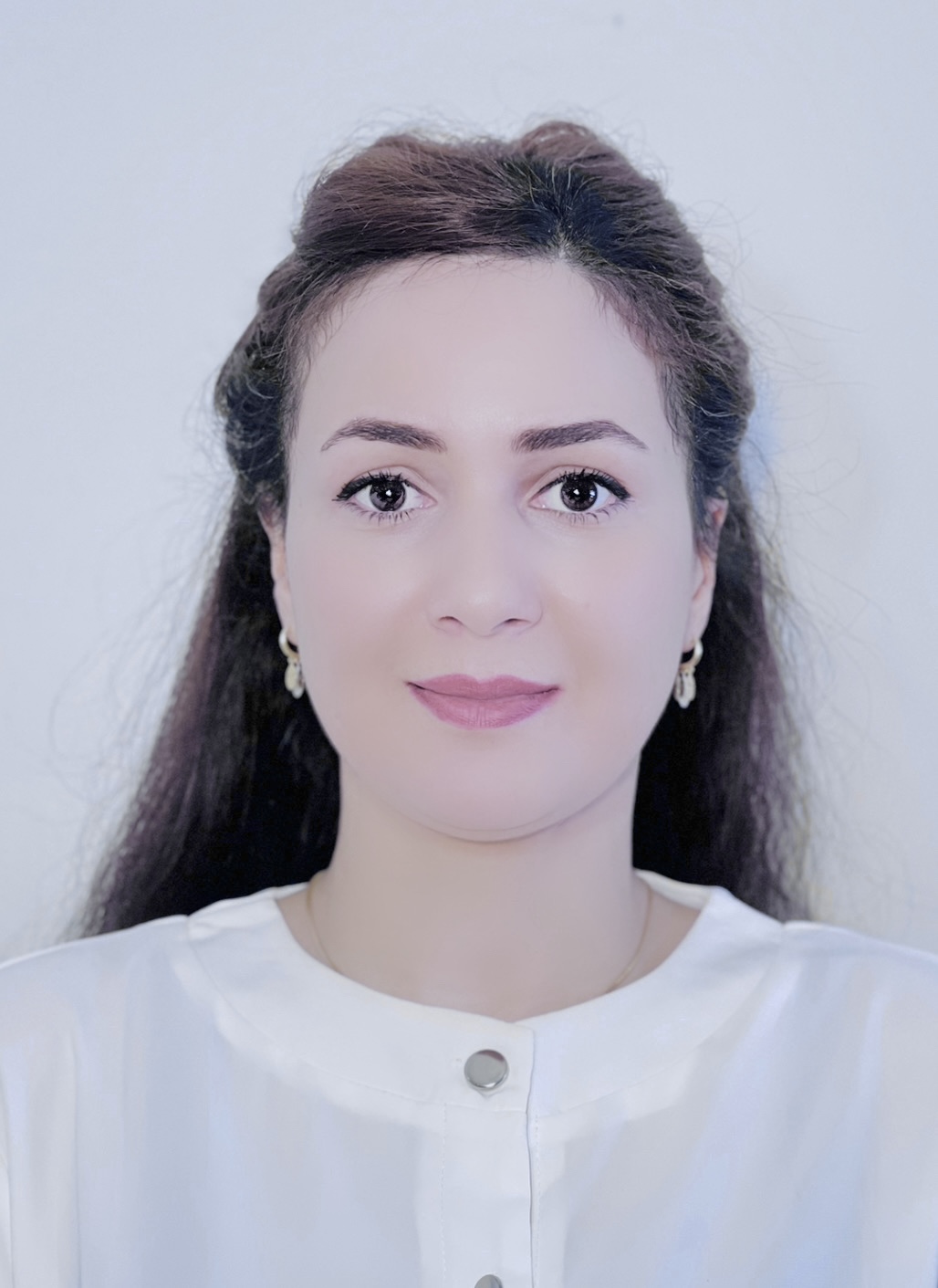
Sakine Khajavi
Sakine obtained a bachelor’s degree in Materials Engineering – Ceramics in 2008, followed by a master’s degree in Extractive Metallurgy in the field of Materials Engineering in 2011. She then began her professional career as a university professor for a period of three years. She also assumed the role of Deputy Director in the Materials Engineering Group at the Foulad Institute of Technology in Iran, serving in this position for two years.
In 2018, she successfully completed her PhD in the field of Materials Engineering and Metallurgy, specializing in the field of hydrogen storage in metal hydrides. After her PhD, Sakine began a postdoctoral research position at UQTR, where she continued her research in the field of hydrogen storage in metal hydrides. During this period, she worked under the supervision and advice of her thesis supervisor, Professor Jacques Huot, starting in 2019.
Subsequently, in 2020, she began another postdoctoral research position to study the recycling of lithium-ion batteries at UdeM/CNETE, working under the supervision of Professor Michael Dollé. It was during this phase that she obtained a professional position at the CNETE as a research assistant in electrochemistry.
Area of expertise and research:
– Electrochemistry and solvent extraction
-Critical and strategic material recycling
-Recycling of Li-ion batteries
-Storage of hydrogen in metal hydrides
-Development of new alloys and use of new synthesis techniques
-Identification of the microstructure material
Sakine Khajavi
Sakine obtained a bachelor’s degree in Materials Engineering – Ceramics in 2008, followed by a...
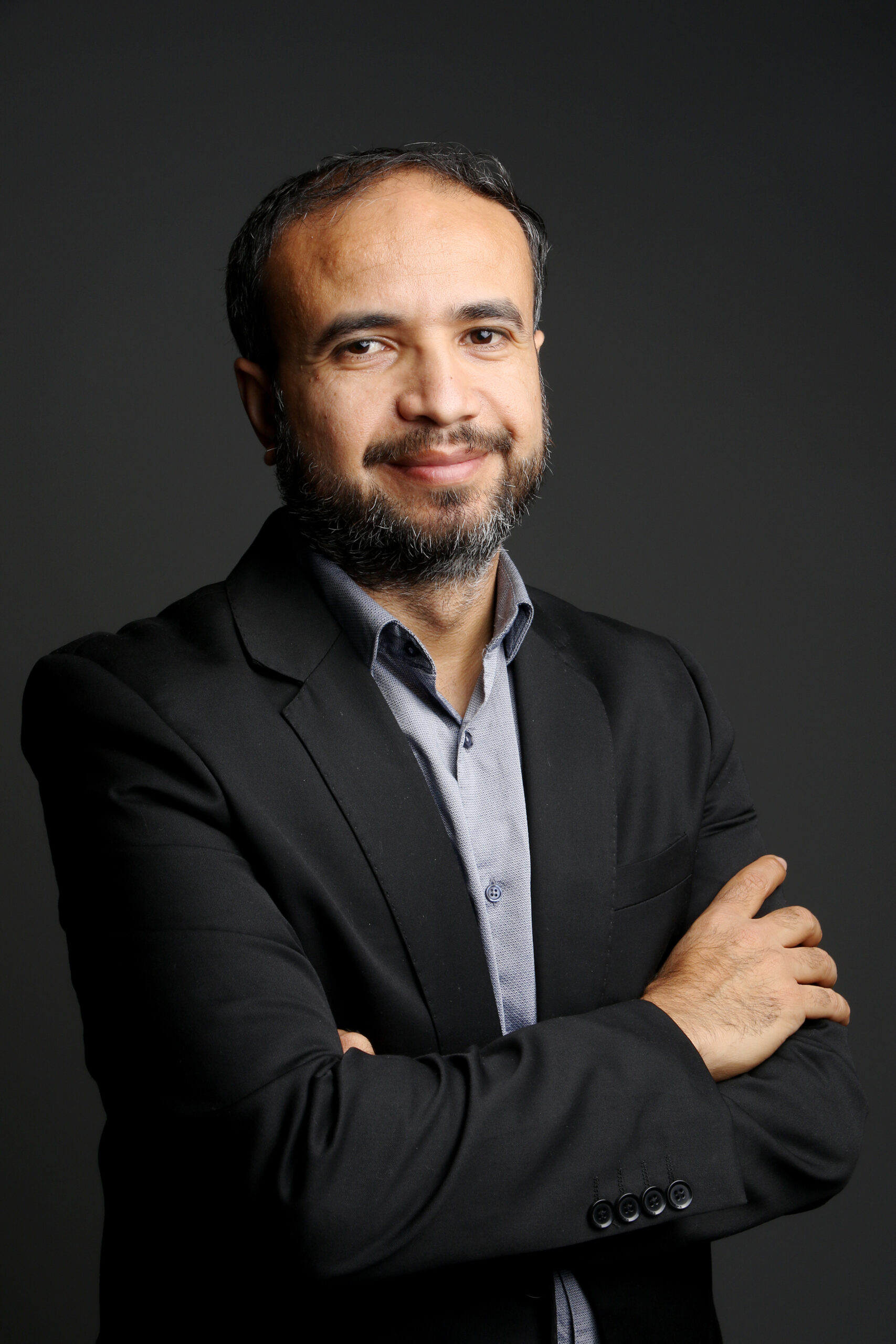
Tarek Rouissi
Assistant Professor-Co-Scientific Director of the Environmental Biotechnology Laboratory
Holder of an engineering degree in food technologies, a master’s degree in industrial engineering, and a doctorate in water sciences, Prof. Rouissi has more than 10 years of experience in research, his work covering themes related to chemistry and environmental biotechnology, bioremediation, biocomposites and the valorization-bioconversion of residues. He has worked in several institutions and held several positions, including as a research professional at UQAC and UQTR, research associate at INRS, research coordinator at CTRI, and recently as director of innovation at CRIBIQ. He is currently an associate professor at Laurentian University, co-scientific director of the Environmental Biotechnology Laboratory, and an associate professor at UQAC and INRS in the past.
Expertise:
- Industrial Bioprocesses
- Food Engineering-Materials Engineering
- Environmental chemistry and biotechnology
Tarek Rouissi
Assistant Professor-Co-Scientific Director of the Environmental Biotechnology Laboratory Holder of an engineering degree in food...
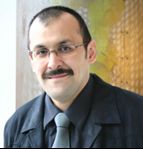
Faïçal Larachi
Prof. F. Larachi’s research aims to design micro/multifunctional systems and materials in the fields of shipping, (bio-)energy, mineral resources and the environment, with a focus on the enhancement/conversion of unconventional fossil energy/residual biomass, the mitigation of greenhouse gas emissions through CO2 capture/storage, and the resolution of aqueous chemistry and in mineral processing. He has served as Associate Editor of the Canadian Journal of Chemical Engineering and as a member of the Editorial Board or Advisory Board of the journals Industrial & Engineering Chemistry Research, Chemical Engineering & Processing : Process Intensification, and Indian Chemical Engineer. His research contributions have been recognized, including the Tier 1 Canada Research Chair, a two-time recipient of the NSRC Discovery Accelerator Supplement, and a recipient of the 2012 UL Summa Research Award. Prior to joining Université Laval as a professor, he obtained an engineering degree from USTHB (Algeria), a PhD in chemical engineering from the Institut National Polytechnique de Lorraine (France) and was a postdoctoral researcher at École Polytechnique de Montréal. He was a visiting researcher at Total (France), the French Petroleum Institute (IFPEN) and the Consortium de Recherche Minérale (COREM) during his sabbatical years.
Professor F. Larachi’s research focuses on the design of micro/multifunctional processes and materials in the areas of marine transportation, (bio)energy, mineral resources and the environment, with emphasis on the improvement/conversion of unconventional fossil energy/residual biomass, the mitigation of greenhouse gas emissions through CO2 capture/storage, and the solution of aqueous and interfacial chemistry problems in mineral processing. He has served as associate editor of the Canadian Journal of Chemical Engineering and on the editorial or advisory boards of the journals Industrial & Engineering Chemistry Research, Chemical Engineering & Processing: Process Intensification, and Indian Chemical Engineer. His research contributions have been recognized, including the endowment of a Tier 1 Canada Research Chair, a two-time winner of the NSERC Discovery Accelerator Supplement, and the 2012 UL Summa Research Award. Prior to joining Université Laval as a professor, he earned his BSc in chemical engineering from USTHB (Algeria), a doctoral degree in chemical engineering from the Institut National Polytechnique de Lorraine (France), and was a postdoctoral researcher at the École Polytechnique de Montréal. He has been in sabbatical at Total (France), the French Petroleum Institute (IFPEN) and the Consortium de Recherche Minérale (COREM).
Faïçal Larachi
Prof. F. Larachi’s research aims to design micro/multifunctional systems and materials in the fields of...
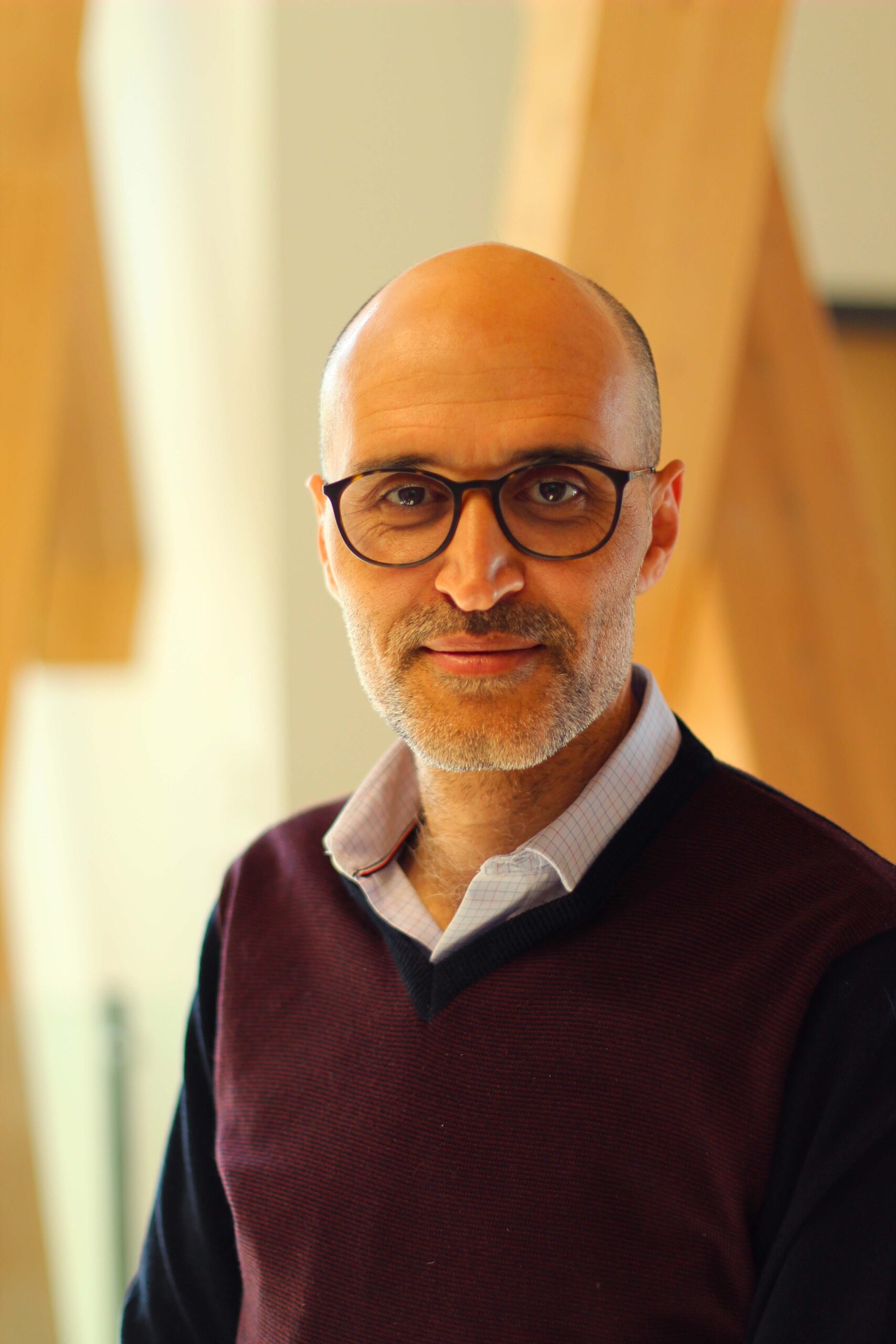
Ramzi Zarrougui
Ramzi Zarrougui, a professor of chemistry at the Université du Québec à Chicoutimi, stands out for his innovative research focused on energy storage in supercapacitors. His expertise focuses specifically on custom design and the use of ionic liquids as a resource to formulate innovative electrolytes. In addition to his commitment to the fields of renewable energy, recycling and recovery of high value-added materials, such as critical metals, plastic polymers and biomolecules from industrial residues, Professor Zarrougui focuses his efforts on innovation and the development of new functional compounds. Its major contribution lies in the introduction of ionic liquids and deep eutectic solvents as more environmentally friendly solvents for ionometallurgical processes, as well as more efficient electrolytes to redefine the operating domain of supercapacitors and increase their energy storage capacity. By taking an energy-efficient, net-zero and integrated approach as part of a greener circular economy, Zarrougui is working to push the boundaries of research for more sustainable and efficient use of energy, helping to shape the future of energy technology.
Ramzi Zarrougui
Ramzi Zarrougui, a professor of chemistry at the Université du Québec à Chicoutimi, stands out...
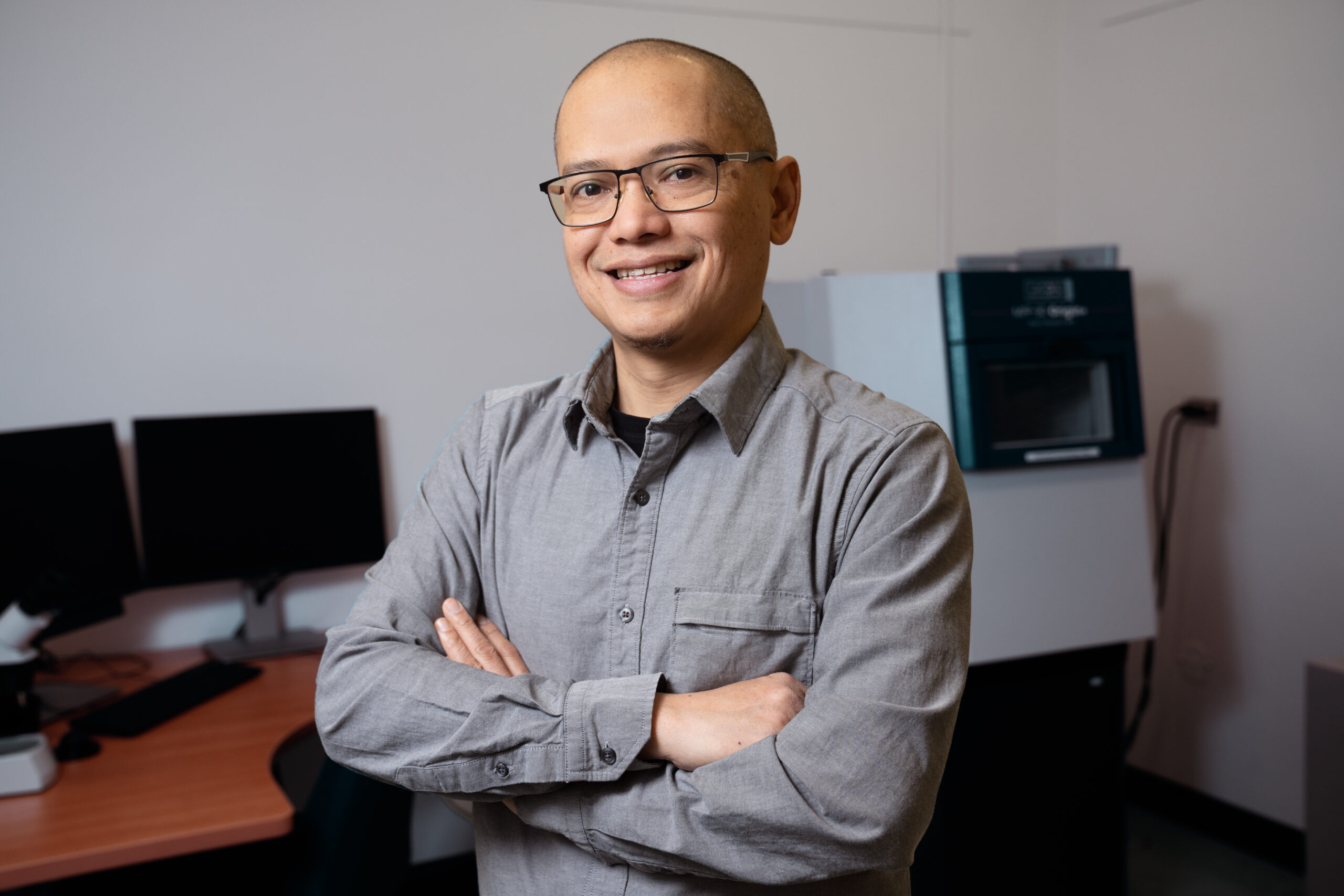
Hendra Hermawan
Hendra Hermawan is an Associate Professor in the Department of Mining, Metallurgical and Materials Engineering, Université Laval, Canada. He specializes in corrosion metallurgy and electrochemistry, with a particular focus on revealing the relationship between microstructure and electrochemical behavior of high-performance metal alloys. He is a Professional Engineer registered with the Professional Engineers of Ontario. He serves the scientific community as a member of the editorial board of several scientific journals and as a reviewer of articles and grant applications related to materials science and engineering.
Hendra Hermawan is an associate professor at the Department of Mining, Metallurgical and Materials Engineering, Université Laval, Canada. He specializes in the metallurgy and electrochemistry of corrosion, with a particular focus on revealing the relationship between microstructure and electrochemical behavior of high-performance metal alloys. He is a professional engineer registered with the Professional Engineers Ontario, Canada. He serves the scientific community as a member of editorial board at several journals and as reviewer for papers and grant applications related to materials science and engineering.
Hendra Hermawan
Hendra Hermawan is an Associate Professor in the Department of Mining, Metallurgical and Materials Engineering,...
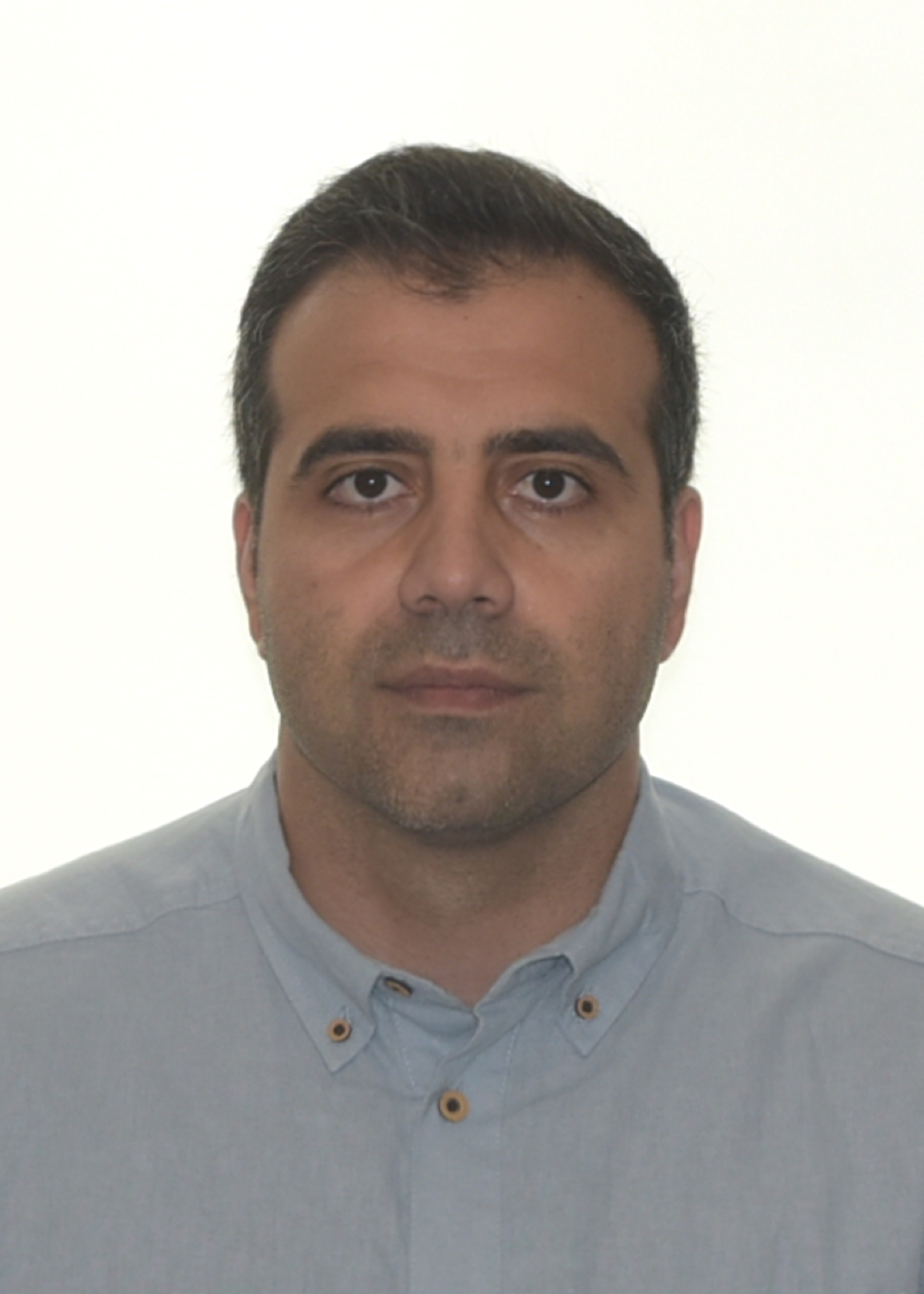
Mohsen Kandidayeni
Dr. Mohsen Kandidayeni is currently an assistant professor in the Department of Electrical and Computer Engineering at UQTR. He received his Ph.D. in Electrical Engineering from the University of Quebec, Trois-Rivières (UQTR) in 2020. He has held positions as a postdoctoral researcher at Université de Sherbrooke and a research associate at the Hydrogen Research Institute of UQTR.
Dr. Kandidayeni’s research focuses on renewable energy, particularly hydrogen applications in transportation. His work includes health management of fuel cell systems, energy management of hybrid vehicles, and control of PEM fuel cells and electrolyzers. He has published around 65 journal and conference papers and received numerous awards, including the Best Ph.D. Thesis Award at UQTR in 2020 and scholarships from FRQNT.
He is a member of IEEE and has been Chair of Electric Vehicles, Vehicular Electronics, and Intelligent Transportation at the IEEE Vehicular Technology Conference (VTC) since 2022.
Mohsen Kandidayeni
Dr. Mohsen Kandidayeni is currently an assistant professor in the Department of Electrical and Computer...
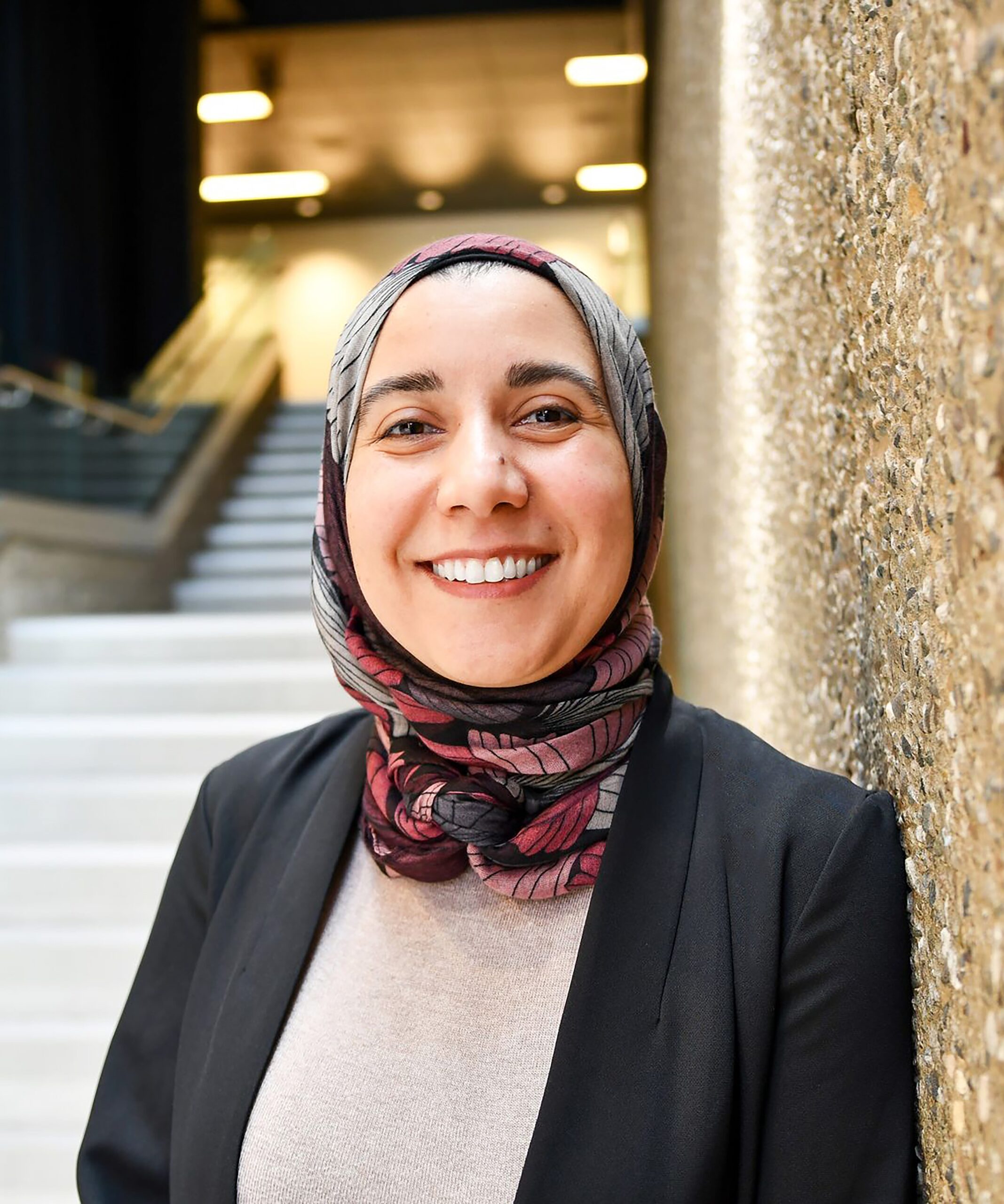
Maha Bhouri
Dr. Maha Bhouri has been an associate professor in the Department of Mathematics, Computer Science and Engineering at the Université du Québec à Rimouski since August 2023. Prior to this position, she spent three years as an assistant professor, a teaching-focused position, in the Department of Mechanical Engineering at Memorial University of Newfoundland. She received her PhD in energy and materials sciences from the Université du Québec à Trois-Rivières, followed by two postdoctoral fellowships at the German Aerospace Centre (DLR-Stuttgart) and Dalhousie University. His research interests focus on the development of solid hydrogen storage systems and thermal energy storage systems with the objective of accelerating the energy transition in Canada.
Dr. Maha Bhouri has been an Assistant Professor in the Department of Mathematics, Computer Science, and Engineering at the University of Quebec at Rimouski since August 2023. Before joining this position, she spent three years as a Teaching Assistant Professor in the Department of Mechanical Engineering at Memorial University of Newfoundland. She earned her PhD in Energy and Materials Sciences from the University of Quebec at Trois-Rivières, followed by two postdoctoral fellowships at the German Aerospace Centre (DLR) and Dalhousie University. Her research interests focus on advancing the clean energy transition through the development of solid-state hydrogen storage systems and thermal energy storage systems.
Maha Bhouri
Dr. Maha Bhouri has been an associate professor in the Department of Mathematics, Computer Science...
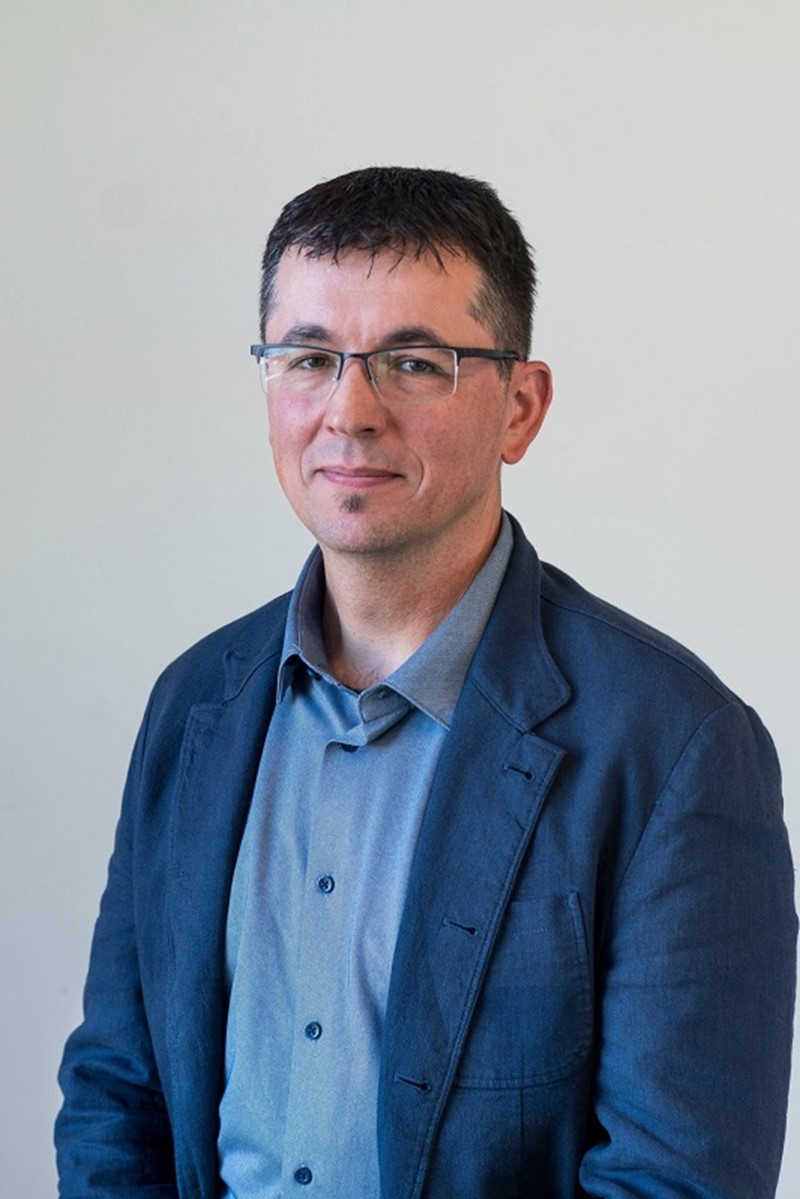
David Gagnon
Dr. Gagnon has more than 20 years of academic and industrial research. After his graduate studies in organic chemistry, he completed two post-doctoral fellowships in medicinal chemistry and organic synthesis, one of which was in a pharmaceutical company. He contributed for 12 years to the development of a pharmaceutical chemistry contract research organization (CRO) where he planned and carried out more than 150 confidential process development projects contracted for large pharmaceutical companies. In particular, he led teams of researchers in the execution of large-scale projects on the scale of grams and several kilograms. He joined the Kemitek team in 2022 where he develops sustainable and safe chemical processes.
Dr. Gagnon has more than 20 years of experience in academic and industrial research. After completing his graduate studies in organic chemistry, he undertook two postdoctoral fellowships in medicinal chemistry and organic synthesis, one of which was with a pharmaceutical company. He spent 12 years contributing to the development of a pharmaceutical chemistry contract research organization (CRO), where he planned and executed over 150 confidential process development projects contracted by major pharmaceutical companies. In this role, he notably led research teams in executing large-scale projects ranging from grams to several kilograms. He joined the Kemitek team in 2022, where he focuses on developing sustainable and safe chemical processes.
David Gagnon
Dr. Gagnon has more than 20 years of academic and industrial research. After his graduate...
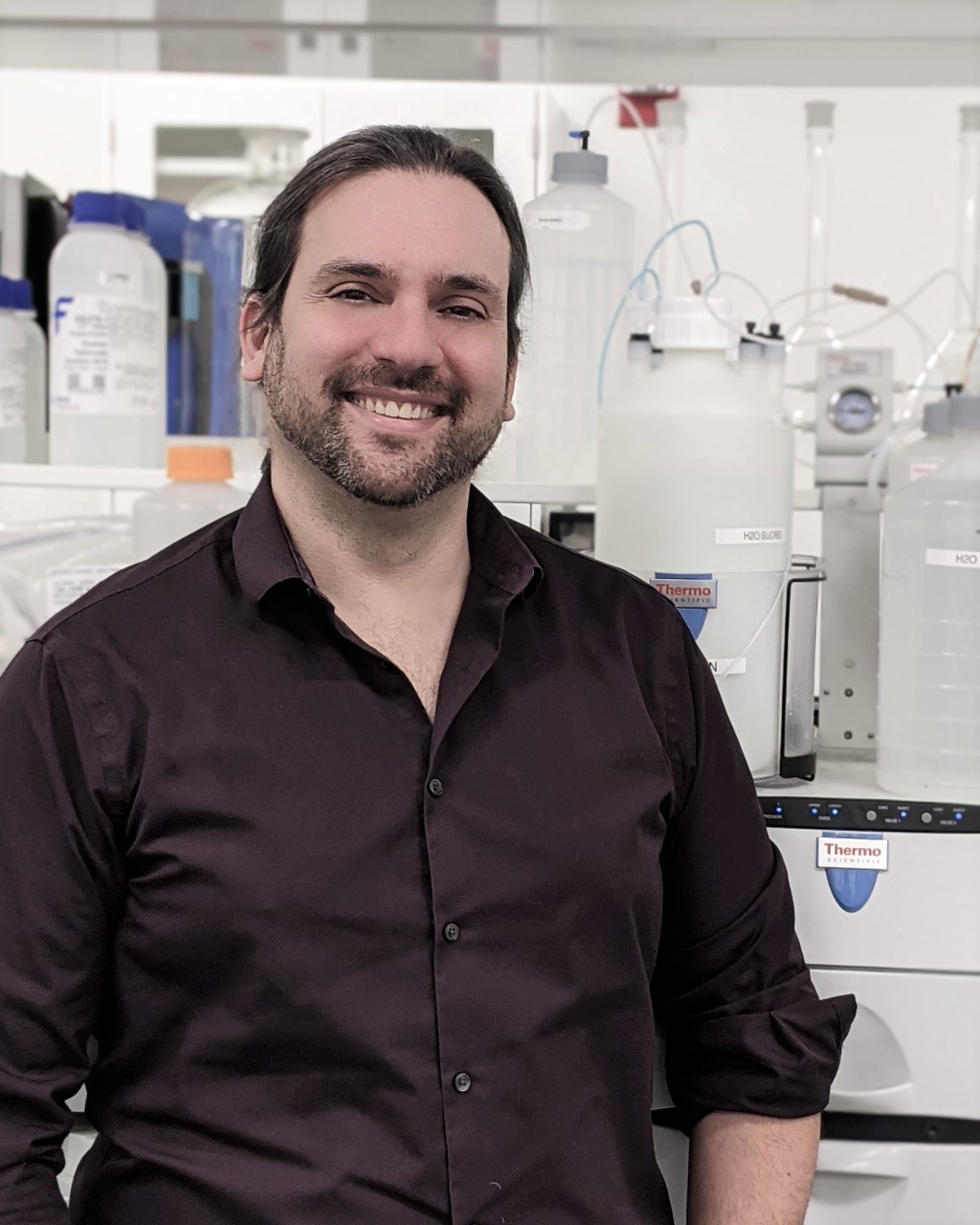
Thierry Ghislain
Expertise: Analytical chemistry, Process analytical technologies (PAT), Chemometrics, Carbonaceous residue recovery, Pyrolysis, Biochar, Biomass, Biofuels, Anaerobic digestion
Prof. Thierry Ghislain is an Assistant Professor in the Department of Chemical and Biotechnological Engineering at the Université de Sherbrooke. He holds the Research Chair on Pyrolytic Carbon (CRICaP) and Director of the Laboratory for the Analysis of Biomass, Bioproducts and Bioprocesses (LAB). His dual specialization in analytical chemistry and process engineering has enabled him to collaborate with numerous industrial partners as well as several Quebec and Canadian universities in fields as diverse as renewable energy, biofuels and bioproducts, agri-food, pharmaceutical and cosmetics industries as well as the environment.
Thierry Ghislain
Expertise: Analytical chemistry, Process analytical technologies (PAT), Chemometrics, Carbonaceous residue recovery, Pyrolysis, Biochar, Biomass, Biofuels,...
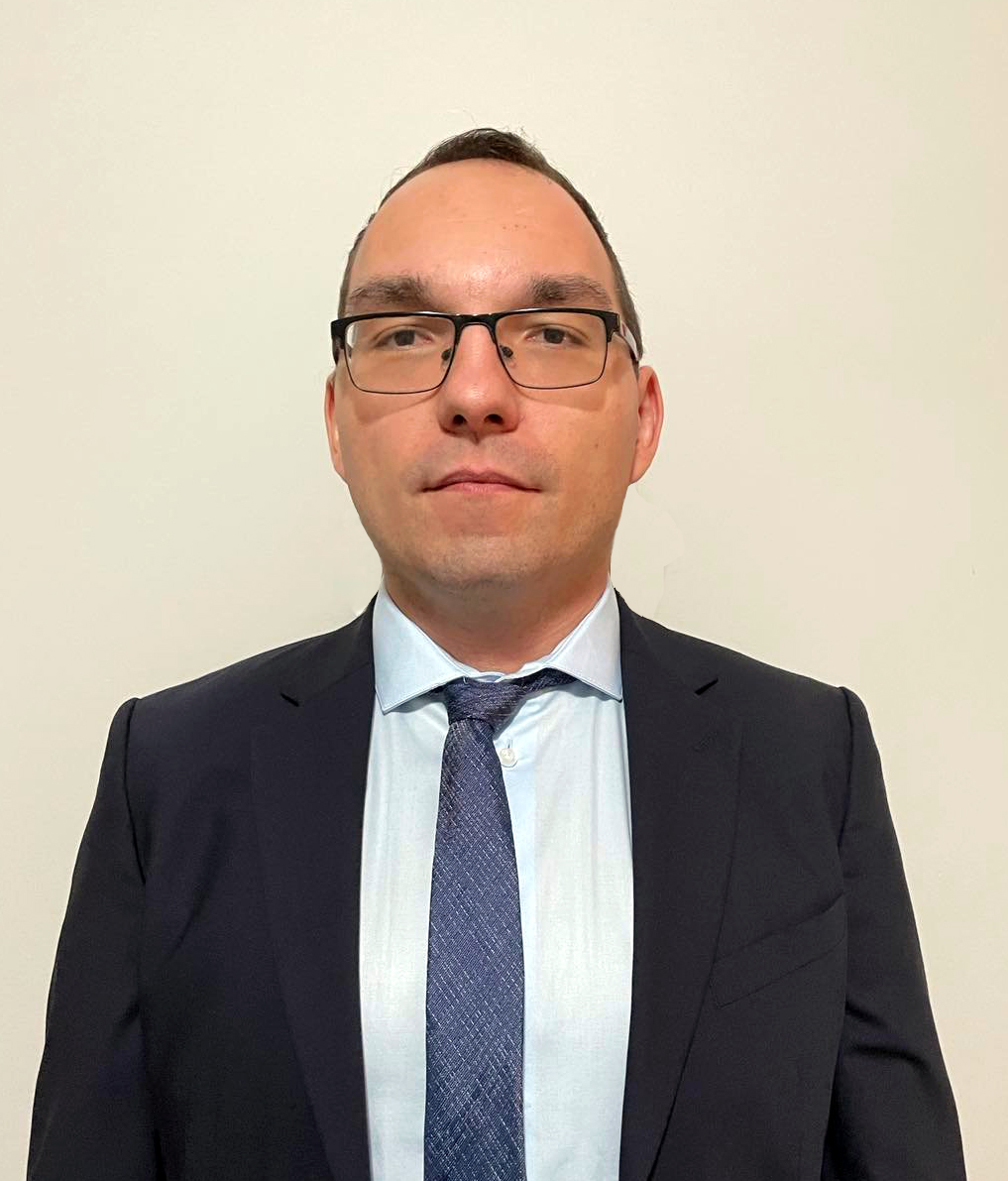
Olivier Rezazgui
Graduated with a PhD in Applied Chemistry from the University of Limoges in 2015; Dr. Olivier Rezazgui then did a first post-doctoral fellowship in Rouen before crossing the ocean to settle in Trois-Rivières where he is now a researcher for Innofibre.
Equally at ease on fundamental and industrial projects, Dr. Rezazgui’s guiding principle is the preservation of our planet and sustainable chemistry, as evidenced by his research projects: development of bio-inspired herbicides; recovery of forest residues in bitumen, production of biofuels and reduction of GHG emissions. Naturally curious, he has developed skills in fields as varied as organic synthesis, spectroscopy, biology and molecular modelling during his professional experiences.
Today at Innofibre, CCTT attached to the Cégep de Trois-Rivières; He uses his knowledge to propose innovative solutions to manufacturers to decarbonize their processes. This involves the development of innovative processes in terms of bioenergy, biomaterials, recovery and reuse of residues and other projects in the circular economy.
His motto: There are no incurable diseases, only lack of willpower. There are no worthless herbs, only the lack of knowledge. (Avicenna)
Olivier Rezazgui
Graduated with a PhD in Applied Chemistry from the University of Limoges in 2015; Dr....
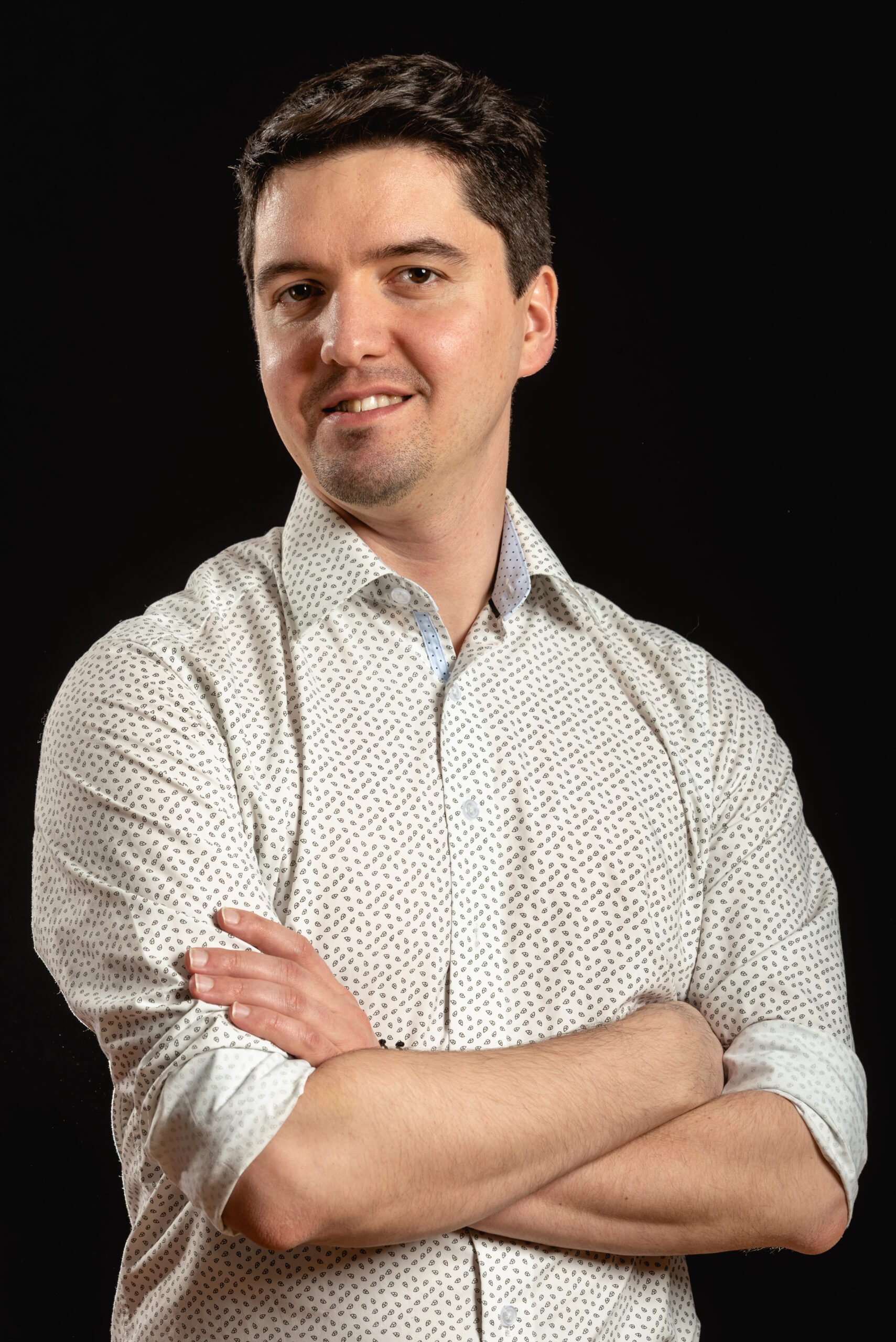
Jacopo Profili
Professor Jacopo Profili is a specialist in innovative materials. Holder of a double PhD in plasma physics and engineering from the Université de Montréal and the Université Toulouse III, he has developed an expertise in the physics and chemistry of plasma systems at atmospheric pressure focusing on the study of interactions with complex multiphase media (solids, liquids, gases and suspensions). Focusing on the synthesis of advanced nanomaterials and the creation of new atmospheric pressure plasma systems, his research aims to develop new advanced processes and materials for energy and environmental technologies. Professor Profili is also co-founder of KALEGO Solutions, a company that specializes in the creation of highly innovative surfaces.
Jacopo Profili
Professor Jacopo Profili is a specialist in innovative materials. Holder of a double PhD in...
Ayoub Tanji
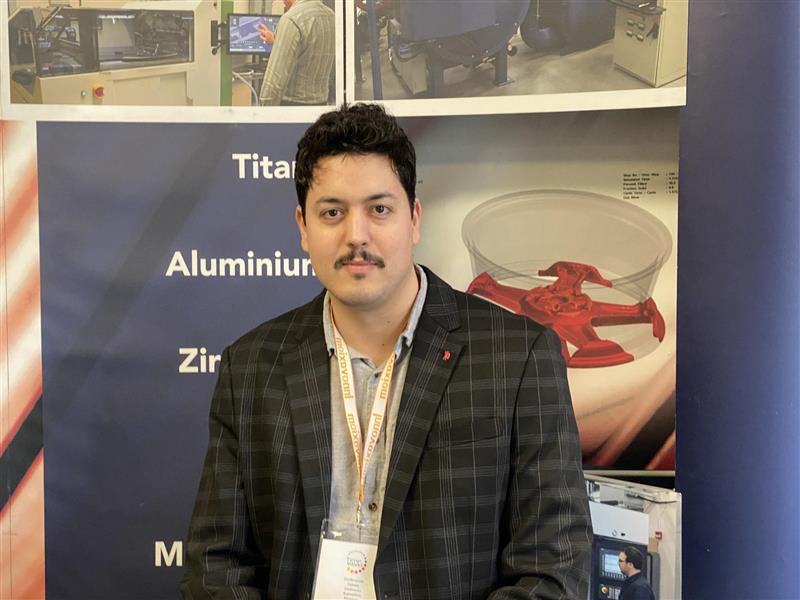
Dr. Ayoub Tanji is a researcher and R&D project manager at the Centre de Métallurgie du Québec (CMQ), where he heads the corrosion and electrochemistry section. He holds a PhD in Materials Engineering and Metallurgy from Laval University (Canada) and a Master’s degree in Materials and Surface Engineering from France. He specializes in the development of advanced metal alloys for energy, biomedical and industrial applications. His work focuses on corrosion protection, coatings and surface treatments, applied metallurgy, as well as the development of materials for hydrogen technologies and batteries.
He coordinates several collaborative projects with Canadian universities (UQTR, Université Laval, INRS, UQAR, Université de Sherbrooke) and international universities: UMONS (Belgium), ENSAM (France), LIST (Luxembourg), UM6P (Morocco), University of Tennessee (United States), University of Michigan (United States), Missouri State University (United States), Brawijaya University (Indonesia) and American University of Sharjah (United Arab Emirates). It also collaborates with numerous industrial partners through provincial and federal research programs.
Sectors of activity:
- Electrochemistry and advanced processes
- Energy and decarbonization
- Applied metallurgy
___________________________________
Biography (English version)
Dr. Ayoub Tanji is a researcher and R&D project manager at the Centre de Métallurgie du Québec (CMQ), where he leads the corrosion and electrochemistry division. He holds a Ph.D. in Materials and Metallurgical Engineering from Université Laval (Canada) and a Master’s degree in Materials and Surface Engineering obtained in France. His expertise focuses on the development of advanced metallic alloys for energy, biomedical, and industrial applications. His research covers corrosion protection, surface coatings and treatments, applied metallurgy, and the development of materials for hydrogen and battery technologies.
He coordinates several collaborative projects with Canadian universities (UQTR, Université Laval, INRS, UQAR, Université de Sherbrooke) and international partners, including UMONS (Belgium), ENSAM (France), LIST (Luxembourg), UM6P (Morocco), University of Tennessee (USA), University of Michigan (USA), Missouri State University (USA), Brawijaya University (Indonesia), and the American University of Sharjah (United Arab Emirates). He also works closely with numerous industrial partners through provincial and federal research programs.
Fields of expertise:
- Electrochemistry and advanced processes
- Energy and decarbonization
- Applied metallurgy
Ayoub Tanji
Dr. Ayoub Tanji is a researcher and R&D project manager at the Centre de Métallurgie...
Simeon Nachev
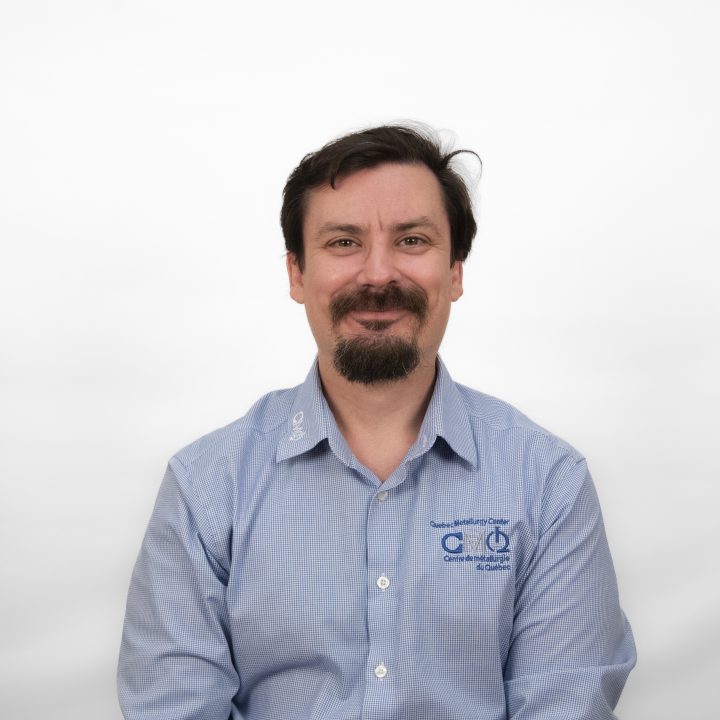
Siméon Nachev obtained his PhD at the University of Grenoble in 2015. He worked as a Postdoc at the University of Saskatchewan until 2017. In 2019, he joined the Centre de Métallurgie du Québec in Trois-Rivières as a researcher. His interests focus on the lightening of metal structures and the strengthening of the mechanical properties of alloys, the solid storage of hydrogen in metal hydrides and the design of hydrogen tanks as well as hydrogen embrittlement of metal infrastructure.
Simeon Nachev
Siméon Nachev obtained his PhD at the University of Grenoble in 2015. He worked as...
Mohammad Latifi
Dr. Mohammad Latifi is a researcher (Class II) in the Department of Chemical Engineering at Polytechnique Montréal. He holds an NSERC-Discovery grant focused on the recycling of metals and plastics from e-waste. As a cleantech entrepreneur, he co-founded NeoCtech Corp., which specializes in the recycling of rare earth elements, which are essential for advanced clean and cutting-edge technologies, including in the energy transition. Dr. Latifi has led industrial projects related to green process engineering, hydrogen, critical minerals, and the circular economy. He has collaborated with companies such as TOTAL, OCP and Niobec. He has developed induction-heated fluidized bed reactors, which are used in various projects. Dr. Latifi received his Ph.D. in Chemical Engineering from Western University. Prior to moving to Canada, he worked for oil and petrochemical companies in Iran and earned a Master’s degree in Chemical Engineering from the University of Tehran.
Dr. Mohammad Latifi is a research associate professor in the Department of Chemical Engineering at Polytechnique Montréal. He holds an NSERC Discovery Grant focused on metal recycling and the recycling of plastics from electronic waste. As an entrepreneur in clean technologies, he co- founded NeoCtech Corp., specializing in the recycling of rare earth elements, which are critical for advanced clean- and high technologies, especially in energy transition. Dr. Latifi has led industrial projects related to green process engineering, hydrogen, critical minerals, and circular economy. He has collaborated with companies such as TOTAL, OCP, and Niobec. He developed induction-heated fluidized bed reactors, which have been applied in various projects. Dr. Latifi earned his PhD in Chemical Engineering from Western University. Before moving to Canada, he worked for oil and petrochemical companies in Iran and obtained a master’s degree in chemical engineering from the University of Tehran.
Mohammad Latifi
Dr. Mohammad Latifi is a researcher (Class II) in the Department of Chemical Engineering at...


Thomas Auvray
Dr. Thomas Auvray is a professor in Physical Chemistry of Materials at the Université du Québec à Trois-Rivières and co-director of the Institut de Recherche sur l’Hydrogène. After a B.Sc. (2012) and M.Sc. (2014) in Chemistry from Université Pierre et Marie Curie (Paris VI, France), he joined the Université de Montréal, working with Prof. Garry S. Hanan on the development of supramolecular systems for artificial photosynthesis and obtained his Ph.D. in 2020. After a year as postdoctoral research associate with Prof. Ellen M. Matson at the University of Rochester (NY, US), he joined McGill University as FRQNT postdoctoral fellow (2021-2022) with Prof. Tomislav Friščić before moving with the Friščić group in 2022 to the School of Chemistry at the University of Birmingham (UK) as senior research fellow. His group focuses on advancing mechanochemistry for the preparation of inorganic and hybrid materials and spreading the word about sustainable laboratory practices.
Dr Thomas Auvray est professeur en chimie physique des matériaux à l’Université du Québec à Trois-Rivières et codirecteur de l’Institut de recherche sur l’hydrogène. Après une licence baccalauréat (2012) et un master (2014) en chimie de l’Université Pierre et Marie Curie (Paris VI, FR), il a rejoint l’Université de Montréal, travaillant avec Pr. Garry S. Hanan sur le développement de systèmes supramoléculaires pour la photosynthèse artificielle et a obtenu son doctorat en 2020. Après une année comme chercheur postdoctoral associé avec Pr. E.M. Matson à l’Université de Rochester (NY, États-Unis), il a rejoint l’Université McGill en tant que chercheur postdoctoral FRQNT (2021-2022) avec Pr. T. Friščić avant de rejoindre le groupe Friščić en 2022 à l’Université de Birmingham (R.U.) en tant qu’associé de recherche sénior. Son groupe se concentre sur l’avancement de la mécanochimie pour la préparation de matériaux inorganiques et hybrides et sur la diffusion de pratiques de laboratoire durables.
Thomas Auvray
UQTR
Dr. Thomas Auvray is a professor in Physical Chemistry of Materials at the Université du...